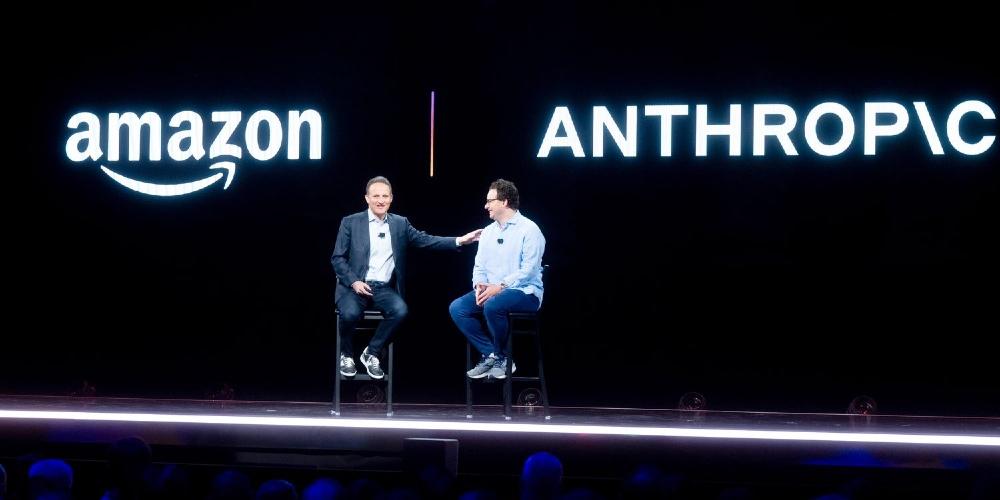
In the high-stakes world of artificial intelligence, where billions are poured into startups chasing the next technological revolution, a surprising twist has emerged. Anthropic, the AI company backed by Amazon and known for its more cautious approach to development, is projected to achieve profitability years ahead of its flashier rival, OpenAI. This revelation comes amid skyrocketing investments in AI, raising questions about sustainability in an industry that’s burning cash faster than a wildfire in California drought season.
According to internal financial documents reviewed by The Wall Street Journal, Anthropic is on pace to turn a profit by 2028, while OpenAI—despite its massive hype and partnerships with Microsoft—won’t hit that milestone until 2030. This two-year gap highlights diverging business strategies in the AI boom, with Anthropic focusing on efficient growth and OpenAI betting big on rapid expansion and consumer-facing products like ChatGPT.
Breaking Down the Numbers: Revenue Projections and Cash Burn
Anthropic has recently revised its growth forecasts upward by 13% to 28% over the next three years, projecting potential revenues of up to $70 billion by 2028. In a more optimistic scenario outlined in reports from The Information, the company could generate $17 billion in cash flow by that year and become cash flow positive as early as 2027. This is a stark contrast to OpenAI, which, while leading in user adoption, faces higher operational costs due to its aggressive scaling.
Key to Anthropic’s edge is its lower cash burn rate. By 2026, the company expects to reduce its cash burn to about one-third of its revenue, compared to OpenAI’s projected 57%. These figures underscore Anthropic’s leaner model, which prioritizes enterprise deals and partnerships—such as its collaboration with Amazon—over broad consumer outreach. OpenAI, on the other hand, has invested heavily in data centers, talent acquisition, and marketing, leading to ballooning expenses that outpace revenue growth.
The Broader Economic Implications: AI’s Unsustainable Hype?
This profitability showdown isn’t just corporate drama; it’s a bellwether for the entire tech economy. The AI sector has attracted trillions in venture capital and stock market enthusiasm, driving up valuations for companies like Nvidia and Microsoft. But with giants like OpenAI still years from profitability, skeptics are warning of an impending “AI bubble” burst.
Consider the macro picture: Rising interest rates, geopolitical tensions, and supply chain disruptions could squeeze funding for these cash-hungry startups. If Anthropic’s more conservative path proves successful, it might signal a shift toward sustainable AI development. However, if OpenAI’s bet on mass adoption pays off long-term, it could validate the “go big or go home” mentality that’s fueled Silicon Valley for decades.
For everyday investors, this news is a cautionary tale. AI stocks have soared, but underlying fundamentals—like actual profits—remain elusive for many players. As The Wall Street Journal notes, the finances of these startups reveal “a diverging approach to the AI boom,” with Anthropic potentially setting a new standard for fiscal responsibility in tech.
What This Means for the Future of AI and the Economy
In an era where economic collapse looms large—from inflation spikes to potential recessions—the AI industry’s path to profitability could either stabilize or destabilize markets. Anthropic’s projected success might encourage more prudent investments, reducing the risk of overhyped failures that drag down broader indices. Conversely, if OpenAI stumbles, it could trigger a cascade of investor pullbacks, echoing the dot-com crash of the early 2000s.
As we monitor this unfolding story, one thing is clear: The race to AI dominance is as much about smart money management as it is about groundbreaking tech. For those preparing for economic uncertainty, diversifying beyond the AI hype might be the wisest move.