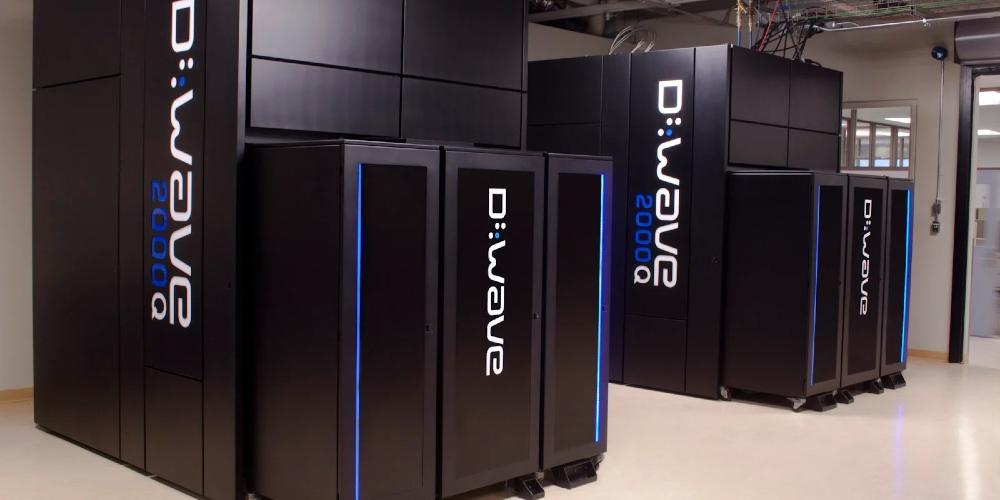
D-Wave Quantum Inc., the publicly traded company building quantum computers to tackle problems beyond the reach of traditional systems, has decided to pull up stakes from Palo Alto and set up its new headquarters in Boca Raton, Florida. The shift, set to wrap up by the end of this year, comes as the firm eyes Florida’s expanding tech scene and aims to build a 25,000-square-foot research facility at the Boca Raton Innovation Campus—the same spot where IBM birthed the personal computer back in 1981.
The company serves clients ranging from government agencies to Fortune 500 outfits and top research labs, offering annealing and gate-model quantum systems that promise faster solutions for complex optimization tasks. As part of the relocation, Florida Atlantic University has pledged $20 million to install one of D-Wave’s Advantage2 quantum computers on its campus, marking a step toward turning South Florida into a quantum hub.
“Florida represents one of the fastest growing technology ecosystems in the United States, and as such it was the ideal choice for our new corporate headquarters and U.S. R&D facility,” D-Wave CEO Dr. Alan Baratz said. “The state offers a rich scientific and educational environment, a growing pool of highly skilled tech talent, and a vibrant spirit of innovation that made it attractive to D-Wave.”
Boca Raton Mayor Scott Singer welcomed the news, saying, “By welcoming D-Wave’s flagship U.S. R&D operations and its global headquarters to the Boca Raton Innovation Center, we are strengthening our position as a destination for advanced innovation, attracting top-tier technology talent and laying the foundation for long-term economic growth.”
This isn’t just about one company seeking sunnier skies. D-Wave’s move fits into a larger pattern of businesses fleeing California’s regulatory grip and tax burdens. Recent reports show a surge in relocations, fueled by a proposed 5% wealth tax on billionaires that pegs liability to residency as of January 1, 2026. The tax, which could hit net worth over $1 billion with a one-time levy valued as of December 31, has already prompted high-profile exits.
Google co-founder Larry Page restructured 45 business entities to Florida, snapping up $173 million in Miami real estate along the way. Oracle’s Larry Ellison, Tesla, SpaceX, and X have all headed east or south, joining Chevron, Charles Schwab, and others in ditching the Golden State for places like Texas and Florida.
California’s business climate ranks near the bottom—49th in the Tax Foundation’s index—thanks to high taxes, heavy regulations, and rising costs that make it tough for companies to thrive. Manufacturers and tech firms alike are packing up, with over 400 headquarters departures since 2018, often citing union rules, energy prices, and welfare-state expenses as breaking points. In 2025 alone, names like In-N-Out Burger and John Paul Mitchell Systems bolted for Tennessee and Texas.
Singer pointed to the dangers of ignoring this trend: “The threat of people leaving high-tax, high-crime jurisdictions like New York and other places is real.”
Local real estate agent Julian Johnston echoed that sentiment: “It’s been happening for years, and Boca Raton has been the beneficiary of a lot of businesses bringing their corporate headquarters and high-paying jobs here. I think the threat is even more real. People are already preparing to leave… we’re going to see a lot more people looking to bring their businesses here and create jobs in Boca Raton.”
For California, the outflow means lost jobs, eroded tax bases, and a hit to innovation clusters that once defined Silicon Valley. D-Wave’s departure could signal deeper troubles—some whisper that policies like the wealth tax aren’t just about revenue but part of a push to centralize control, chasing away independent thinkers and funneling talent to states less entangled in bureaucratic webs. Whether that’s the case or not, the numbers don’t lie: California’s economy shows cracks as businesses vote with their feet.
Florida, meanwhile, reaps the rewards. With no state income tax and a focus on growth, it’s drawing quantum pioneers like D-Wave, which plans to add hundreds of high-salary tech and R&D positions. This influx bolsters local economies, from real estate booms in Miami to new partnerships with universities, positioning the Sunshine State as a rival to traditional tech strongholds.
As quantum computing edges closer to reshaping industries—from drug discovery to logistics—the question is whether California can reverse course before more innovators follow D-Wave’s lead. For now, Florida’s gain looks like another nail in the coffin for the West Coast’s dominance.