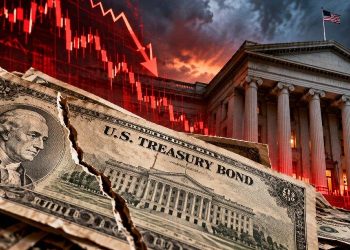
Bitcoin’s value plunged about 25% in recent days, a drop that barely registers for longtime crypto holders but sends shockwaves through traditional markets. This kind of volatility raises questions about whether the slide has bottomed out or if it’s signaling deeper troubles in the financial system. For American investors counting on steady growth and economic stability, these swings in digital assets demand close attention, especially when they echo vulnerabilities in the broader economy.
The crash came amid concerns over “tariff tantrums and tradfi issues sparked by subprime car loans,” as noted by Forbes contributor Billy Bambrough. These problems, built on shaky bonds, could spread to small American banks, much like the Silicon Valley Bank failure not long ago. Markets reacted sharply, with Bitcoin taking two steep dives in a single week. In the past, such traditional finance woes wouldn’t have touched Bitcoin’s trajectory.
“Bitcoin’s value wasn’t tied to U.S. small-bank solvency or market conniptions,” Bambrough writes. Yet now, as crypto weaves into the fabric of Wall Street, those ties are pulling it down.
This shift marks a turning point. Bitcoin once stood as a rebel against the system, promising to upend outdated money practices and empower everyday Americans with independent wealth-building tools. But integration into “the flying circus of financial markets” changes that dynamic. Bound by liquidity flows, arbitrage plays, and hedging strategies—just like stocks or commodities—Bitcoin loses its edge as an outsider. “Assimilation feels bearish to me,” he adds.
If it dips below $100,000 per coin, the odds of a full-blown crypto winter climb sharply, potentially dragging speculative investments and draining confidence from U.S. portfolios.
At the core of this fragility lies market liquidity, the lifeblood of American economic expansion. Excess cash, “sloshing around in banks, looking for a place to make money,” often parks in the Federal Reserve’s reverse repo facility. Charts from the Fed show this pool shrinking, with money supply tightening. “The spicy money buying the frothy assets is temporarily out of stock.”
Still, policymakers hold the power to inject more with ease—”just a few mouse clicks away.” For a nation built on innovation and resilient markets, this control offers reassurance, but it also exposes how reliant even cutting-edge assets like Bitcoin have become on central bank decisions.
American economic strength has long rested on sound policies that protect jobs, savings, and growth. As Bitcoin grapples with these forces, investors should weigh if this crash is a fleeting “blip… maybe not,” or a warning flare for overextended sectors. Keeping an eye on these indicators safeguards the hard-earned progress of U.S. households and businesses, ensuring that speculative bets don’t undermine the real engines of prosperity.