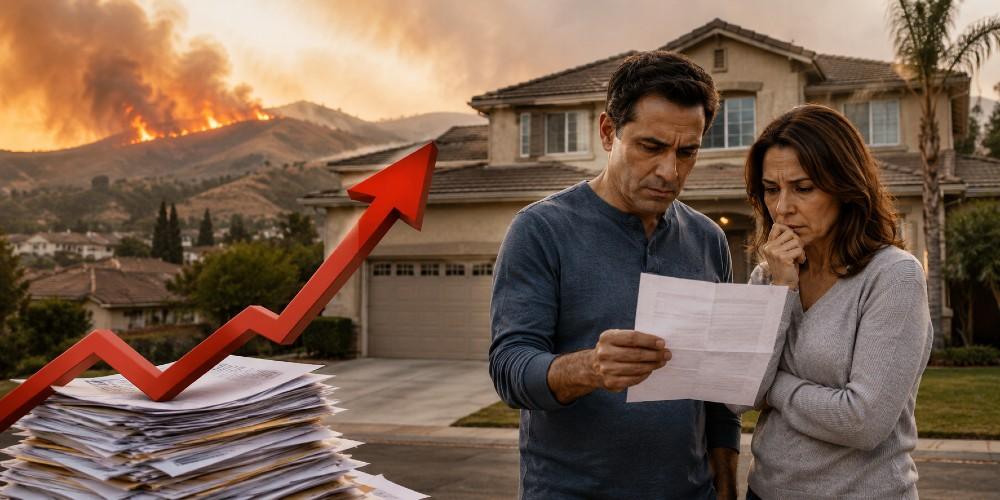
California homeowners already squeezed by the nation’s highest cost of living now face another blow from the state’s own insurer of last resort. The California FAIR Plan announced an average 29 percent premium increase effective October 15, delivering a stark reminder of how progressive governance has turned basic property protection into a luxury few can afford.
This marks the first rate adjustment since 2023’s 15 percent hike, as the program struggles under the weight of claims from devastating wildfires like the Palisades and Eaton fires. With over $2.9 billion already paid out and estimates approaching $4 billion, the FAIR Plan — designed as a temporary safety net for high-risk properties — has ballooned into a massive burden for hundreds of thousands of Californians. Policyholders who cannot secure coverage from traditional insurers now foot the bill for systemic failures.
“Average FAIR Plan rates will increase 29% effective October 15, down from the 36% requested,” The California Department of Insurance told The Post in an email. “But policies available from large and specialty insurers in coming months create new options for homeowners outside the FAIR Plan.”
The irony runs thick. For years, California lawmakers have pursued aggressive climate agendas, strict building codes, and utility regulations while wildfires continue to ravage the landscape. Yet instead of addressing root causes — such as poor forest management, overregulation driving insurers away, and energy policies that leave the grid vulnerable — the state simply passes costs onto residents. Those in the Sierra Nevada foothills, for example, could see annual premiums jump from roughly $3,000 to nearly $6,000.
This is no isolated market correction. Major insurers have retreated from California due to a hostile regulatory environment that caps rates while mandating coverage in high-risk zones.
The result? A FAIR Plan now covering far more properties than intended, including many in lower-risk areas that swelled by 40 percent in recent months. Homeowners pay the price for Sacramento’s ideological commitments.
Veronica Roach, president of the FAIR Plan, warned lawmakers last year about impending insolvency from massive claims. The program’s bare-bones fire-only coverage exposes deeper problems: a state that lectures the nation on environmental stewardship cannot keep its own homes protected without extraordinary measures.
Critics rightly point to decades of neglected land management and misguided priorities. While billions flow into green initiatives and high-speed rail dreams, practical steps like clearing brush or modernizing infrastructure lag. The exodus of private insurers signals a market voting with its feet against unsustainable policies.
Even as some policyholders see reductions based on location-specific risk assessments, the overall trend punishes Californians for living in a state shaped by anti-development and anti-energy stances. New options from specialty insurers may emerge, but they arrive too late for families already stretched thin by taxes, regulations, and now skyrocketing insurance.
California’s insurance crisis offers a cautionary tale for the rest of the nation. When government inserts itself as the backstop for risks amplified by its own policies, ordinary citizens bear the heaviest load. True stewardship requires wisdom, not wishful thinking.
As Scripture reminds us in the face of such trials, “And we know that all things work together for good to them that love God, to them who are the called according to his purpose.” (Romans 8:28) Homeowners in the Golden State may find this season tests their resolve, yet it also underscores the need for policies rooted in reality rather than rhetoric.
The FAIR Plan hike is more than a rate adjustment — it is the predictable outcome of governance that prioritizes ideology over prudence. Californians deserve better than being forced into a state-run pool that raises premiums to cover its shortcomings.