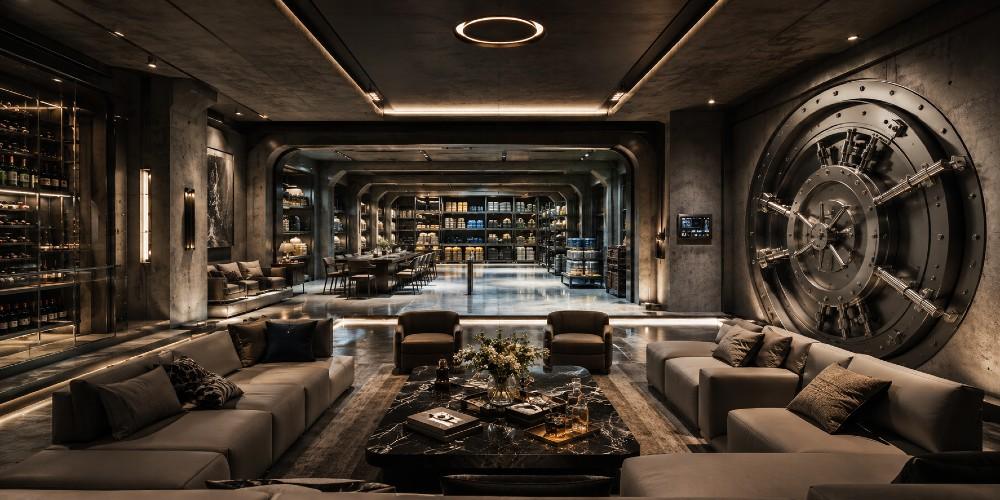
There is something darkly revealing about a class of men who spend their working hours summoning a technology they privately believe has a one-in-ten chance of destroying civilization, and then spend their evenings designing the bunkers they hope will protect them from it. This is not science fiction. This is the actual business model of Silicon Valley in 2026, and the receipts are in the concrete.
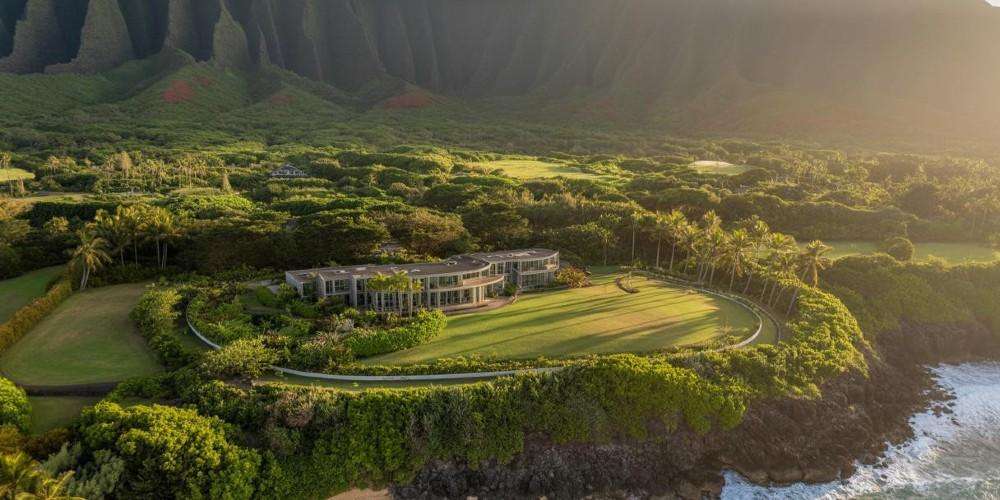
On the northeast shore of Kauai, on land that was once a sugar plantation, Mark Zuckerberg is constructing what may be the most expensive private compound in human history. Koolau Ranch sprawls across 1,400 acres and is projected to cost north of $270 million.
According to planning documents obtained by Wired, the estate will include more than a dozen buildings, two mansions totaling roughly 57,000 square feet, thirty bedrooms, thirty bathrooms, eleven treehouses connected by rope bridges, and an underground tunnel that branches into a 5,000-square-foot shelter with metal-and-concrete blast doors, an escape hatch accessible by ladder, and its own independent food and energy supplies.
Construction crews were forbidden from speaking with one another. Even casual mention of the project on social media was reportedly grounds for termination.
Zuckerberg, when pressed on the matter by Bloomberg, tried to laugh it off as just like a little shelter
— a hurricane refuge, perhaps, that the press had blown out of proportion. The architectural plans tell a different story. Hurricanes do not require blast-resistant doors. They do not require non-disclosure agreements binding every laborer who pours the concrete.
New Zealand as the New Promised Land
Zuckerberg is not the outlier. He is the conformist. Peter Thiel, the PayPal co-founder turned political donor, was granted New Zealand citizenship in 2011 after spending only twelve days in the country, an arrangement so unusual it triggered a national debate over whether the passport had effectively been sold. He purchased a 477-acre estate in Wanaka for roughly $13.5 million and a glass-fronted home in Queenstown known locally as the Plasma House, outfitted with a safe room.
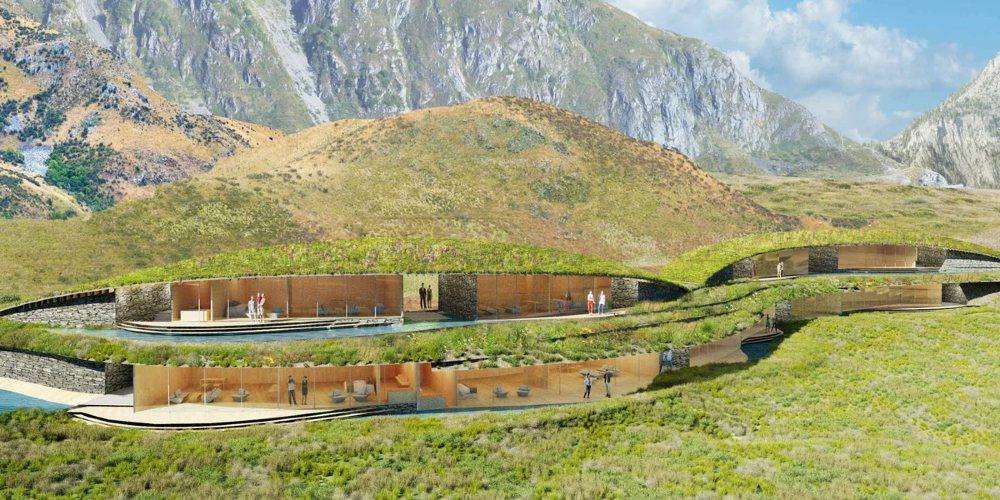
His subsequent plans for a hillside bunker compound, including a 1,082-foot glass-lined guest lodge for 24 people, were rejected by the local council in 2022 on aesthetic grounds. He has not withdrawn the application.
Sam Altman of OpenAI told The New Yorker years ago that his pandemic contingency plan involved flying with Thiel to that very property. He keeps a “go bag” stocked with guns, gold, antibiotics, potassium iodide, batteries, water, and gas masks, and owns retreat acreage in Big Sur. Reid Hoffman, the LinkedIn co-founder, told the same magazine that buying a house in New Zealand has become a kind of code among the tech elite — “apocalypse insurance,” he called it, with a wink.
Larry Page, co-founder of Google, quietly relocated to Fiji during the COVID era and is reported to have purchased at least one private island in the Mamanuca chain. When Fijian media noted his presence, the article was pulled.
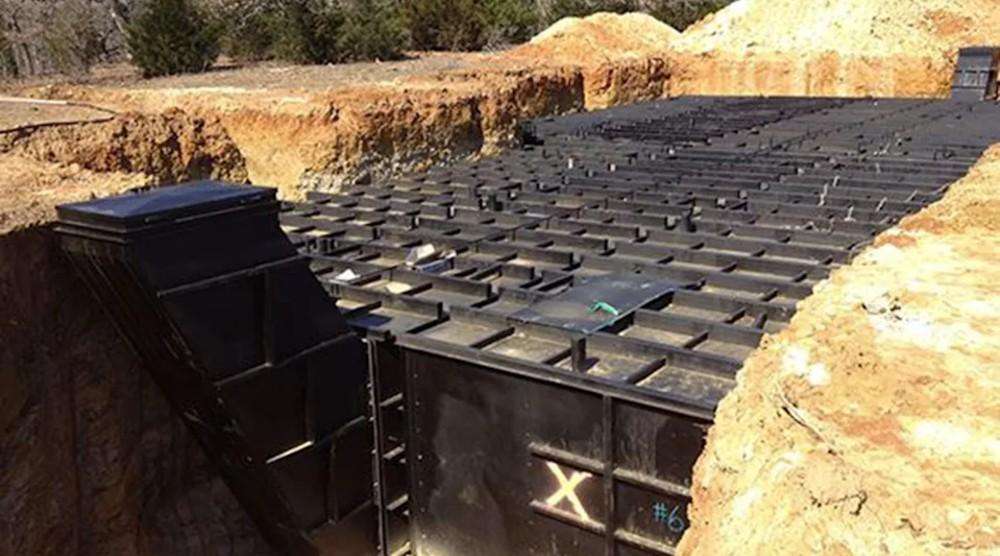
Rising S Bunkers, a Texas firm that builds 150-ton steel survival shelters, has confirmed delivering at least seven such units to New Zealand for Silicon Valley clients alone. Vivos, a competitor, installed a 300-person shelter on the South Island. According to the bunker industry itself, roughly one in three billionaires now has a fully funded extraction plan — pilot on standby, Gulfstream fueled, coordinates locked in.
The Confession Hidden in the Concrete
The most damning testimony in this story does not come from the critics of Big Tech. It comes from the architects themselves. Author and NYU professor Scott Galloway recently relayed a secondhand account from an associate of one prominent AI chief executive. The CEO reportedly conceded that there is a 7 to 10 percent probability artificial intelligence triggers a civilizational catastrophe — and that he is going to keep building it anyway, because being the man who summoned the new intelligence is, in his estimation, more historically consequential than whatever consequences follow.
Read that sentence twice. The men nearest to the technology, who understand it best, who have access to the internal benchmarks the rest of us do not, are openly assigning meaningful probability to the end of the world as we know it — and then proceeding, because their personal legacy weighs more heavily on the scale than the lives of everyone else on the planet.
Altman himself has told NPR and the Federal Reserve audience that he worries about humans losing control of a superintelligent system, even as he simultaneously lobbies the federal government to keep the regulatory hand light enough not to slow him down.
If a pharmaceutical company privately believed its new drug had a 7 percent chance of killing the patient, every executive involved would be in handcuffs by morning. When the drug is artificial intelligence and the patient is the human race, the same admission gets you a magazine cover.
The Darth Vader Pipeline
Galloway calls the trajectory the “Darth Vader pipeline.” Every tech founder, he argues, begins as something close to an idealist and ends sequestered behind a wall of private security, concierge medicine, $75,000-a-year academies for the children, and a compound that no ordinary citizen will ever see. The same men who lecture the public about democracy, equity, and the common good have personally exited the common good.
They do not ride in the cars they sell. They do not breathe the air they pollute. They do not send their kids to the schools their algorithms shape. They have, in Galloway’s phrase, “totally dissociated” from the country whose markets and institutions made them rich.
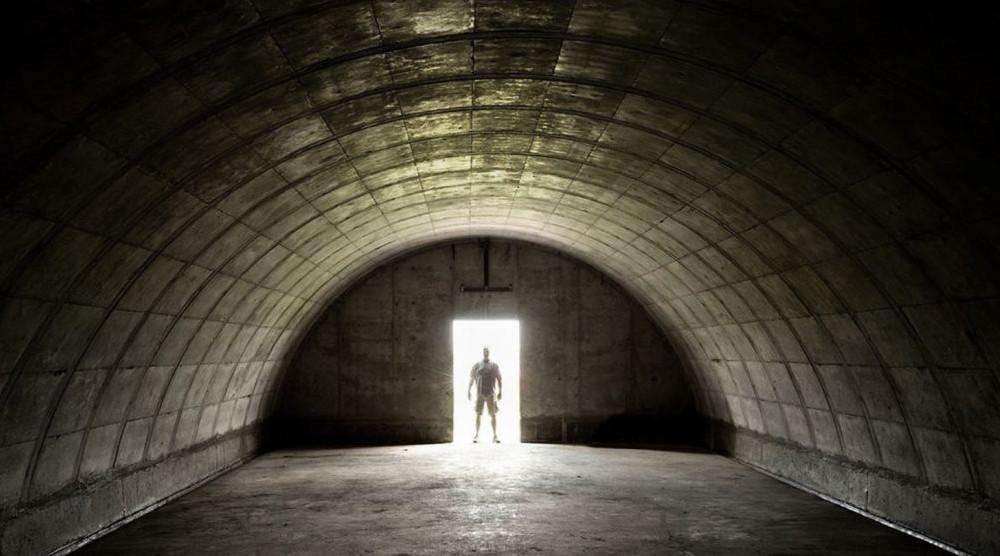
The bunker is not an aberration of this pattern. It is its logical terminus. When you have spent a decade insulating yourself from every shared American experience, the final insulation is from the country itself. New Zealand. Fiji. A reinforced hole in a Hawaiian mountain. The geography is incidental. What matters is that the ordinary people are not invited.
An Old Foolishness in New Concrete
There is nothing especially modern about this delusion. The pharaohs filled tombs with gold, grain, and servants under the impression that the next world would honor the same hierarchies as this one. Medieval lords built fortified keeps and starved out the surrounding peasants when the food ran short.
The Soviet nomenklatura kept dachas and special hospitals while telling everyone else they lived in a workers’ paradise. The bunker billionaire is simply the latest iteration of an ancient temptation: the belief that wealth, properly deployed, can purchase exemption from the human condition.
Scripture is not subtle on the point. Behold, this was the iniquity of thy sister Sodom, pride, fulness of bread, and abundance of idleness was in her and in her daughters, neither did she strengthen the hand of the poor and needy
(Ezekiel 16:49).
The judgment that fell on Sodom was not, in the prophet’s reading, an isolated explosion of vice. It was the natural consequence of a society where the people at the top had grown so comfortable, so abundantly fed, so insulated from struggle, that the suffering of the rest had become invisible to them. The bunker is what invisibility looks like when it is poured in concrete.
Or consider the rich fool of Luke 12, who tore down his barns to build greater ones, certain that his stockpile would secure his soul. Thou fool, this night thy soul shall be required of thee; then whose shall those things be, which thou hast provided?
No blast door has yet been engineered to keep that question out.
The Economic Shoe Yet to Drop
There is a final wrinkle that makes this story more than a moral parable. Roughly 40 percent of the S&P 500’s value is now tethered, directly or indirectly, to the AI boom. The lion’s share of American GDP growth over the last two years has come from AI capital expenditure — chips, data centers, power infrastructure. If even a fraction of corporate America decides that free, open-weight Chinese models are good enough for the work, the financial scaffolding of the entire American market wobbles. Galloway compares it to the Chinese steel dumping of the 1980s. Flood the zone with cheap product, hollow out the domestic producers, and harvest the recession.
The men with the bunkers are betting they will not need to be standing in the rubble when that bill comes due. The rest of the country was never offered a seat on the Gulfstream.
What the Builders Reveal About the Building
If the people closest to a technology are quietly preparing to flee from it, ordinary citizens are entitled to ask why we are being told the technology is safe. If the architects of the digital future have already chosen which corner of the analog past they intend to retreat to, we are entitled to wonder what they actually believe about the future they are selling. And if the moral horizon of the wealthiest men alive narrows to the question of which Pacific island has the best escape jet runway, we are entitled to conclude that something has gone very wrong at the top of the American hierarchy.
The Lord told Isaiah, Woe unto them that join house to house, that lay field to field, till there be no place, that they may be placed alone in the midst of the earth!
(Isaiah 5:8). The prophet did not mean it as a real estate observation. He meant that the man who has gathered everything to himself, who has finally engineered solitude at the summit of his pile, has already lost the only thing worth having. He is alone in the midst of the earth, and the earth knows it.
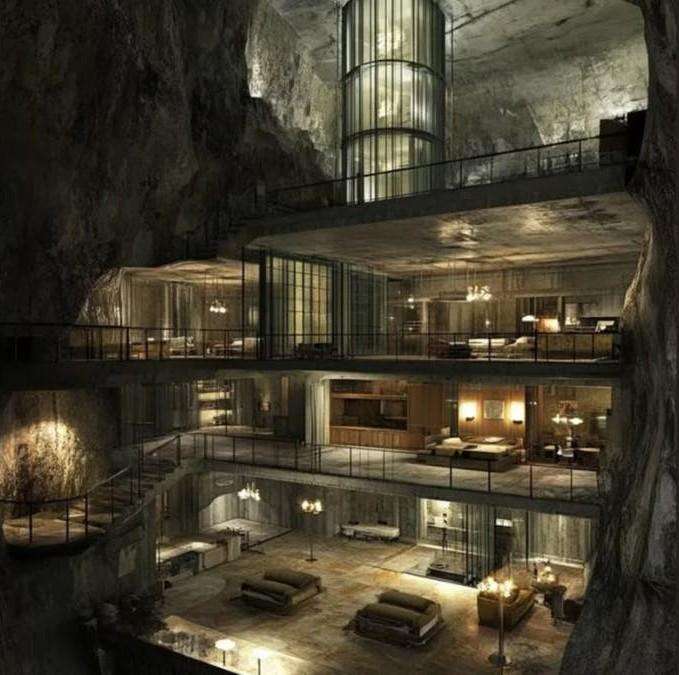
The bunkers will be finished. The non-disclosure agreements will hold for a while. The Gulfstreams will be fueled. And when the moment finally comes that these men have spent so many millions trying to anticipate, they will discover what every previous generation of would-be escapees has discovered, that no door has yet been built thick enough to keep judgment out, and no island remote enough to outrun the consequences of what was made on the mainland.
The rest of us, lacking the resources for such elaborate cowardice, will have to do what people without bunkers have always done. Stay. Build. Pray. And keep telling the truth about the men who are running.