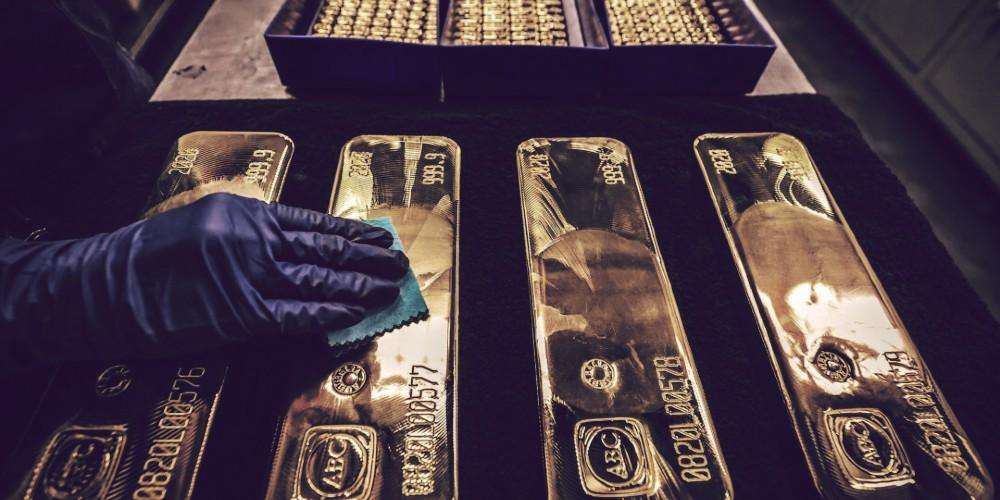
Precious metals like gold and silver have long been viewed as timeless assets. As of November 2025, gold prices hover around $4,200 per ounce while silver trades at approximately $52.00 per ounce, having recently surged to new all-time highs above $54. Despite these elevated levels—representing year-to-date gains of over 50% for gold and 60% for silver—interest in precious metals Individual Retirement Accounts (IRAs) shows no signs of waning.
These specialized retirement vehicles allow investors to hold physical precious metals in tax-advantaged accounts, and their appeal persists amid economic uncertainties, inflationary pressures, and shifting global dynamics. But does it make sense to move retirement funds to precious metals while prices are so high? Will the go down anytime soon?
Historical Context: From Safe Haven to Record-Breaking Rally
Precious metals have a storied history as stores of value, dating back thousands of years. Gold, in particular, has been a cornerstone of wealth preservation, often surging during times of crisis. In 2025, the metals market has experienced a remarkable boom, with gold miners and silver miners outperforming broader indices by wide margins—up 127% and 126% year-to-date, respectively. Silver has notched fresh records, climbing to $54.42 per ounce in recent sessions. Gold, meanwhile, has tested levels above $4,382, fueled by a combination of geopolitical tensions, fiscal policies, and investor sentiment.
This rally isn’t isolated; it’s part of a broader trend in hard assets. Platinum and palladium have also seen substantial gains, up 82% and 68% respectively in 2025, driven by industrial applications in automotive and technology sectors. Yet, even as prices reach these pinnacles, precious metals IRAs remain a go-to option for retirement planning.
According to market analyses, the global precious metals market is projected to grow by $95 billion from $290 billion in 2025 to $386 billion by 2030, propelled by both investment and industrial demand. This growth underscores why investors aren’t deterred by high entry points—instead, they’re doubling down on these assets for long-term security.
Hedging Against Inflation and Economic Instability
One of the primary reasons precious metals IRAs maintain their allure is their role as a hedge against inflation. In an era where government debt has reached record highs—correlating directly with elevated gold prices—investors seek protection from currency devaluation. Precious metals, unlike fiat currencies, have intrinsic value that isn’t eroded by printing presses. Gold, for instance, has historically preserved purchasing power; a ounce bought a fine suit in ancient Rome and does much the same today.
In 2025, with inflation lingering from post-pandemic stimulus and ongoing fiscal expansions, precious metals have outperformed traditional assets. Investors view them as a buffer, especially as central banks worldwide increase their gold reserves to diversify away from dollar-denominated holdings. This de-dollarization trend, coupled with strong inflows into gold-backed ETFs, has sustained demand despite price spikes. For IRA holders, this means potential tax-deferred growth on assets that rise with inflationary pressures, making them a strategic component of retirement portfolios.
Portfolio Diversification in Uncertain Times
Diversification is a cornerstone of sound investing, and precious metals IRAs excel in this regard. Traditional retirement accounts often rely heavily on stocks and bonds, which can correlate during market downturns. Precious metals, however, frequently move inversely to equities, providing a counterbalance. In 2025, amid stock market volatility and geopolitical risks, adding gold or silver to an IRA has helped mitigate losses elsewhere.
The appeal is evident in performance data: While the Magnificent Seven tech stocks have returned only 20% year-to-date, gold and silver miners have more than doubled that. For retirees or those nearing retirement, this diversification reduces risk without sacrificing potential upside. Moreover, the physical nature of the assets in a precious metals IRA—stored in secure depositories—offers tangible ownership, a psychological comfort in digital-heavy portfolios. Even at record prices, the low correlation with other assets makes them indispensable for balanced, resilient retirement strategies.
This is why thousands of Americans are learning more about precious metals IRAs. As noted by Augusta Precious Metals: “A Gold IRA is a self-directed individual retirement account that lets you hold physical, IRS-approved precious metals—like certain gold and silver coins and bars—inside a tax-advantaged account. It follows the same contribution, distribution, and tax rules as other IRAs; the difference is what the account can own. Because it’s self-directed, you (not a broker) choose the assets, custodian, and storage that fit your plan.”
Safe Haven Status Amid Global Uncertainties
Precious metals have earned their “safe haven” moniker through centuries of crises, from wars to recessions. In 2025, ongoing geopolitical tensions—such as conflicts in the Middle East and trade disputes—have amplified this role. Investors flock to gold and silver during uncertainty, viewing them as reliable amid stock market swings or bond yield fluctuations.
This year, silver’s rally has been particularly notable, driven by industrial demand in electric vehicles, solar panels, and electronics, alongside its monetary appeal. Supply shortages and investor inflows have pushed juniors in the sector to new heights, with discussions on platforms like X highlighting potential explosive growth for related investments. For IRA investors, this dual utility—industrial and financial—ensures sustained interest. Even as prices climb, the perception of precious metals as a bulwark against systemic risks keeps demand robust, especially for those prioritizing wealth preservation over short-term speculation.
Tax Advantages and Long-Term Wealth Preservation
A key draw of precious metals IRAs is their tax structure, mirroring traditional IRAs but with physical assets. Contributions may be tax-deductible (for traditional versions), and growth is tax-deferred until withdrawal. Roth options offer tax-free distributions in retirement. This setup allows investors to capitalize on price appreciation without immediate tax burdens, enhancing overall returns.
It’s important to note that this only applies to physical gold and silver. To understand the difference between the increasingly popular gold ETF and physical metals, see “What Is a Gold ETF Fund?”
At high price levels, these benefits become even more pronounced. For example, holding gold in an IRA shields gains from capital gains taxes that would apply to direct ownership. Combined with the metals’ ability to withstand economic downturns due to limited supply and global demand, this makes them a smart choice for long-term planning. Investors in 2025 are increasingly turning to these accounts amid rising debt levels and policy shifts, recognizing their value in preserving purchasing power for future generations.
Industrial and Emerging Demand Drivers
While gold’s popularity stems largely from its monetary role, silver’s versatility adds another layer to precious metals IRAs. Silver’s use in renewables, EVs, and tech—expected to drive market growth—ensures ongoing demand beyond investment circles. In 2025, this has contributed to silver’s outperformance, with prices quietly rising 11% in short bursts amid supply squeezes.
Broader trends in critical minerals, including those tied to the energy transition, echo this momentum. Demand for related metals like lithium and copper has surged post-Inflation Reduction Act, signaling a structural shift toward hard assets. For IRA holders, incorporating silver provides exposure to these growth areas, blending stability with upside potential—even at elevated prices.
Potential Drawbacks and Considerations
No investment is without risks. Precious metals IRAs come with higher fees for storage and insurance, and they don’t generate dividends like stocks. Liquidity can be lower, and short-term volatility persists. However, for those with a long horizon, these are often outweighed by the benefits, especially in diversified portfolios.
As precious metals prices hit record levels in 2025, their integration into IRAs continues to thrive, driven by inflation hedging, diversification, safe-haven status, tax perks, and emerging industrial demands. Far from deterring investors, high prices signal underlying strength in global economics and investor confidence. Whether through physical holdings or related ETFs, precious metals IRAs offer a robust path to retirement security. In an unpredictable world, their enduring popularity is a testament to their proven resilience—proving that true value transcends temporary peaks.
To learn more about physical gold and silver IRAs to back your retirement, contact Augusta.