

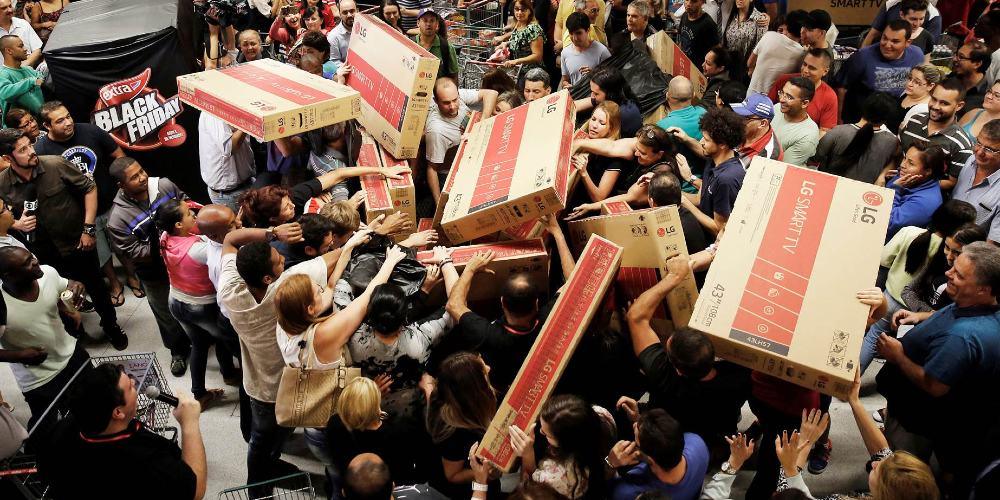
For decades, Black Friday represented the unofficial start of the American shopping season—the day families camped outside stores, retailers posted their biggest doorbusters, and the economy received a jolt of energy powered by consumer optimism. That era is fading fast. What once looked like controlled chaos, driven by the promise of rare discounts and excitement, has turned into a lukewarm, year-round promotion cycle. The cultural and economic weight of Black Friday has evaporated, and this year’s numbers drive the point home.
Retailers across the board report softer-than-expected foot traffic and weak in-store enthusiasm, confirming what many executives have privately admitted for years: Black Friday simply doesn’t move the needle the way it used to. Deep discounts failed to pull shoppers into brick-and-mortar locations. Instead, stores found themselves competing not with one another, but with the apathetic indifference of consumers who have already been conditioned to expect sales every week of the year.
Online shopping tells a similar story. While e-commerce still performs well compared to traditional retail, growth is flattening as shoppers pull back, stretch budgets, and wait for genuinely necessary purchases. Price sensitivity is now baked into the modern consumer mindset. The days when families spent big on impulse buys because a deal looked too good to pass up: gone. Inflation and uncertainty have rewired spending habits, and even record-setting online traffic can’t mask declining enthusiasm.
Some retail analysts suggest that fatigue is the real culprit. After years of Black Friday “creep”—when holiday promotions expanded from a single day to November-long sales and then into October—consumers have learned there’s no reason to rush. When everything is always on sale, nothing is special. Doorbusters have lost their meaning. Inventory cycles have changed. Dynamic pricing algorithms keep deals in play far beyond the traditional shopping calendar. And retailers, desperate to meet revenue targets, have diluted their own signature event with endless pre-sales and warm-up discounts.
This year’s data points, as reported by CNBC, reveal a stark mismatch between retailer expectations and consumer behavior. Shoppers aren’t responding to the urgency messaging because there is no urgency left. In-store crowds reached new lows, brands reported disappointing conversion rates, and major chains struggled to justify the staffing and operational expenses tied to Black Friday promotions.
What’s left is a strange retail landscape: promotions everywhere, but excitement nowhere. The economy is not in free fall, but American households are stretched, cautious, and unconvinced that a so-called “deal” is worth jumping on. Retail executives quietly admit they’re in an arms race of discounting without a clear return. It’s a cycle that hurts margins while failing to bring back the magic of the old Black Friday rush.
For consumers, this shift may actually be a win. The pressure to buy now or miss out has faded, and shoppers hold more leverage than ever. For retailers, however, the lack of a pivotal, high-impact holiday shopping day complicates the fourth-quarter revenue picture. Many chains built their entire seasonal strategy around Black Friday performance; now they must adjust to a world where the traditional “big day” is simply one more date on the calendar.
Black Friday isn’t dead. But its relevance has been hollowed out. What remains is a retail ritual living on momentum rather than meaning—another casualty of economic tension, shifting consumer habits, and the over-commercialization of a once-powerful shopping event. The question now is whether retailers will adapt or continue clinging to a tradition that no longer moves America’s wallets.




The article fails to mention a major culprit, although it says online sales have fallen too, this year many online retailers advertised pre-black Friday says going back over a month before black Friday, stretching out the discount sales season.
Black Friday was killed by two things: 1) Idiots who were willing to brawl and fight over a tv or a toy, and 2) the pandemic which made everyone shelter in place for two years. This may be the only positive consequence of the pandemic.