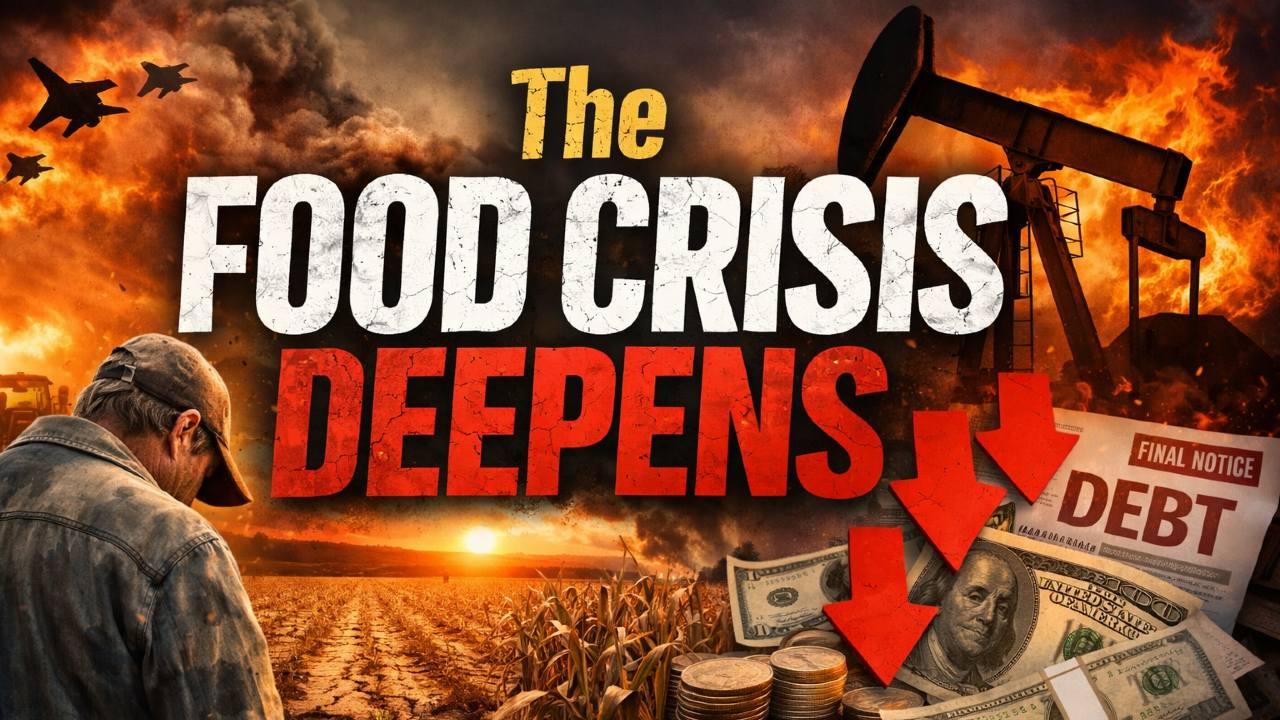
- Rising oil prices linked to Middle East tensions are increasing the cost of fuel, fertilizer, and transportation for American farmers.
- Fertilizer prices remain volatile because natural gas is a key input, tying agriculture directly to energy markets.
- Farm debt has climbed to record levels, putting many producers in a vulnerable financial position if commodity prices fall.
- Small and mid-size farms are under the greatest pressure as consolidation continues across the agriculture sector.
- Supply chain instability from global conflicts could raise costs for farm equipment and imported agricultural inputs.
- Food inflation may accelerate if farmers reduce planting or livestock production due to rising expenses.
- Biblical principles of stewardship remind believers that land and resources are entrusted by God and must be managed wisely in uncertain times.
The American farmer has always been one of the most resilient figures in the nation’s economy, but the pressures building across the agricultural sector suggest that many producers are entering a period of significant financial strain. Rising energy costs, volatile fertilizer prices, mounting debt, and geopolitical instability are converging at the same time, creating a difficult environment for farmers already operating on thin margins.
One of the biggest drivers of the current stress is energy. Agriculture is deeply tied to oil and natural gas. Diesel fuel powers tractors, combines, irrigation systems, and transport trucks that move crops to market. When oil prices rise sharply—especially during periods of geopolitical conflict such as the ongoing tensions in the Middle East—the impact ripples quickly through the agricultural economy.
Fertilizer costs are another major factor. Nitrogen fertilizer, one of the most widely used inputs for crops like corn and wheat, is produced largely from natural gas. When global energy markets tighten, fertilizer production becomes more expensive, and those higher costs are passed directly to farmers. Over the past several years, fertilizer prices have experienced extreme volatility, making it difficult for producers to plan their planting seasons with confidence.
Debt is also becoming a growing concern across the farm economy. According to agricultural economists and federal data, farm debt in the United States has climbed steadily, reaching levels that rival those seen during previous agricultural downturns. While higher commodity prices in some sectors have provided temporary relief, many farmers are carrying significant operating loans to finance equipment, land, seed, and labor. If crop prices decline while input costs remain high, the financial pressure could intensify quickly.
Smaller and mid-size farms are particularly vulnerable. Large agricultural corporations and institutional investors have more access to capital and can absorb short-term volatility more easily. Meanwhile, family farms often operate with tighter margins and fewer financial buffers. As costs rise, consolidation across the agriculture sector continues, with more farmland gradually moving into the hands of larger operations.
Global instability is adding another layer of uncertainty. Military conflicts can disrupt shipping routes, increase insurance costs for cargo vessels, and complicate the delivery of agricultural inputs like chemicals and machinery parts. Even small disruptions in supply chains can affect planting schedules and crop yields, especially during critical growing seasons.
The consequences extend far beyond rural America. When farmers face rising costs or uncertainty, they may plant fewer acres, reduce livestock herds, or delay investments in equipment and infrastructure. Those decisions ultimately affect food supply and prices across the entire economy. Consumers often see the results months later at the grocery store through higher prices for meat, grain products, and produce.
In times like these, the concept of stewardship becomes especially important. Scripture reminds believers that land and resources ultimately belong to the Lord and are entrusted to humanity to manage responsibly. Psalm 24:1 in the King James Version declares, “The earth is the Lord’s, and the fulness thereof; the world, and they that dwell therein.”
For farmers, this principle has long been part of the cultural and spiritual fabric of rural America—caring for the land, preparing for lean seasons, and managing resources with wisdom and patience.
The coming months will likely test the resilience of the agricultural sector. Energy markets, geopolitical developments, and global supply chains will all play a role in determining whether the current pressures ease or intensify. What remains clear is that the stability of America’s food system ultimately depends on the health of its farmers—and right now, many of them are facing one of the most uncertain economic environments in years.