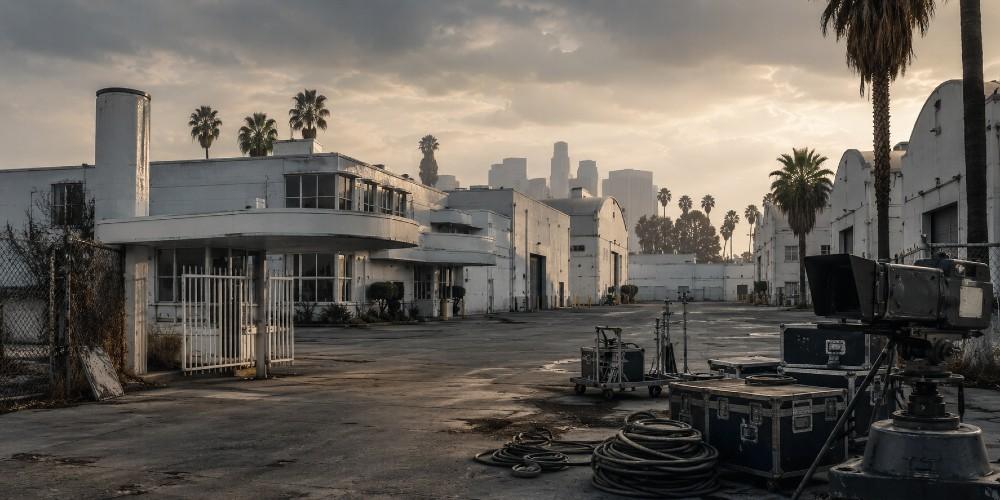
The impending sale of Television City, the storied Los Angeles studio lot that birthed generations of American television classics, marks another chapter in the entertainment capital’s steep decline. Owned by Hackman Capital Partners and burdened by over $357 million in debt, this landmark—home to shows from “All in the Family” to “American Idol”—faces an uncertain future as lenders move to unload it amid collapsing production levels.
What was once a crown jewel of creative enterprise now stands as a monument to an industry unraveling under its own weight.
Hackman acquired the 25-acre Fairfax Avenue complex from CBS for $750 million in 2019 with ambitious plans for expansion. Yet soaring costs, labor strife, and a hostile business climate in California have delivered a harsh verdict.
Production has fled to more welcoming states and countries, leaving soundstages idle and service companies shuttered. This is not mere economic turbulence but the logical endpoint of years of progressive governance that prioritized ideology over industry.
High taxes, burdensome regulations, and relentless cultural shifts have driven filmmakers elsewhere. The 2023 strikes by writers and actors compounded pandemic disruptions, while studios increasingly opt for locations offering better incentives and fewer lectures. Southern California’s entertainment sector, long a powerhouse, now grapples with empty lots and lost jobs—over 80 production service firms closed since 2022 alone.
The Cultural Rot Accelerating the Exodus
Hollywood’s troubles run deeper than balance sheets. An industry once celebrated for storytelling that captured the American spirit has traded universal truths for niche activism, alienating audiences and investors alike. Content that once reflected shared values now often peddles division and moral ambiguity, yielding diminishing returns at the box office and in cultural influence.
Potential buyers like developer Rick Caruso, who owns the nearby Grove, hint at possible repurposing toward retail or mixed-use development. Even if the lot survives as a studio, the broader trend is unmistakable: Hollywood is losing its grip. Other Hackman properties face similar fates, with some soundstages eyed for conversion to manufacturing.
California politicians tout tax credits and economic impact projections, yet the data tells a different story. Film and television projects in Los Angeles have plummeted, with shoot days far below pre-pandemic peaks. The state’s expansive government footprint—high living costs, energy prices, and regulatory thickets—has made “made in Hollywood” an increasingly expensive proposition.
This exodus exposes the irony of an industry that championed “diversity” and environmental mandates while eroding the very foundations that sustained it. Creative freedom flourishes under conditions of order, lower barriers, and respect for enterprise—not the top-down social engineering that dominates Sacramento and studio boardrooms.
Lessons from a Fading Legacy
Television City hosted icons like “The Carol Burnett Show” and “All in the Family,” programs that entertained millions while often nodding to timeless human struggles. Their success rested on craft, not conformity to fleeting political fashions. Today’s Hollywood might do well to recall that audiences crave stories of redemption, courage, and moral clarity over preachy sermons.
As the Psalmist declares, “The wicked borroweth, and payeth not again: but the righteous sheweth mercy, and giveth” (Psalm 37:21).
Hollywood’s debt-laden decline and flight from responsibility mirror a broader cultural unwillingness to steward resources wisely or honor the institutions that once made it great. Sustainable success demands integrity in both finances and content.
The sale of Television City should prompt reflection across the industry. Will leaders double down on policies that repel talent and capital, or rediscover the principles of innovation, restraint, and audience respect that built this empire? The empty stages and mounting foreclosures suggest time is running short for course correction.
America’s entertainment heartland risks becoming a cautionary tale of what happens when creativity divorces itself from reality.