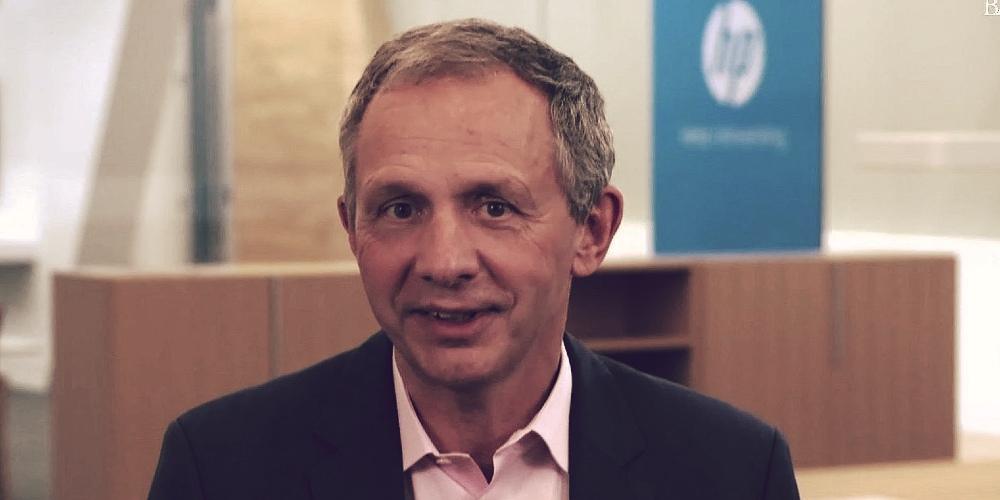
American tech giant HP just announced plans to slash up to 6,000 jobs worldwide by 2028, all while pouring resources into artificial intelligence to revamp its operations. This move comes as the company grapples with rising costs and shifting market demands, raising questions about the future of U.S. manufacturing and employment in the sector.
Based in Palo Alto, California, HP aims to trim its workforce in areas like product development, internal operations, and customer support. CEO Enrique Lores explained during a briefing, “We expect this initiative will create $1 billion in gross run rate savings over three years.”
This follows an earlier round of layoffs in February, where 1,000 to 2,000 employees lost their positions as part of a restructuring effort. All of this is tied directly to the rise of artificial intelligence as both the ends and the means for many tech companies.
On the brighter side for investors, HP reported strong demand for AI-powered personal computers, with these devices making up more than 30% of shipments in the fourth quarter ending October 31. Yet, this tech shift isn’t without its pitfalls. A surge in memory chip prices, driven by Big Tech’s race to expand AI data centers, threatens to squeeze profits for companies like HP that rely on consumer electronics.
Lores addressed the challenge head-on: “We are taking a prudent approach to our guide for the second half, while at the same time implementing aggressive actions like qualifying lower cost suppliers, reducing memory configurations and taking price actions.”
HP has stockpiled enough inventory to weather the storm through the first half of fiscal 2026, but expects steeper price hikes afterward.
Financially, the outlook reflects caution. The company forecasts adjusted earnings per share for fiscal 2026 between $2.90 and $3.20, falling short of Wall Street’s average estimate of $3.33. For the first quarter, HP projects 73 to 81 cents per share, with the midpoint below the expected 79 cents. Still, fourth-quarter revenue hit $14.64 billion, topping analysts’ predictions of $14.48 billion.
For American workers and the broader economy, these developments point to a familiar pattern: innovation at the expense of jobs. As HP leans into AI to boost efficiency and customer service, thousands face uncertainty. This isn’t just about one company—it’s a reminder of how global pressures, from chip shortages to competitive tech races, can hit home hard. Protecting U.S. jobs in vital industries like tech will require smart policies that prioritize American ingenuity and workforce stability over short-term cost-cutting.