

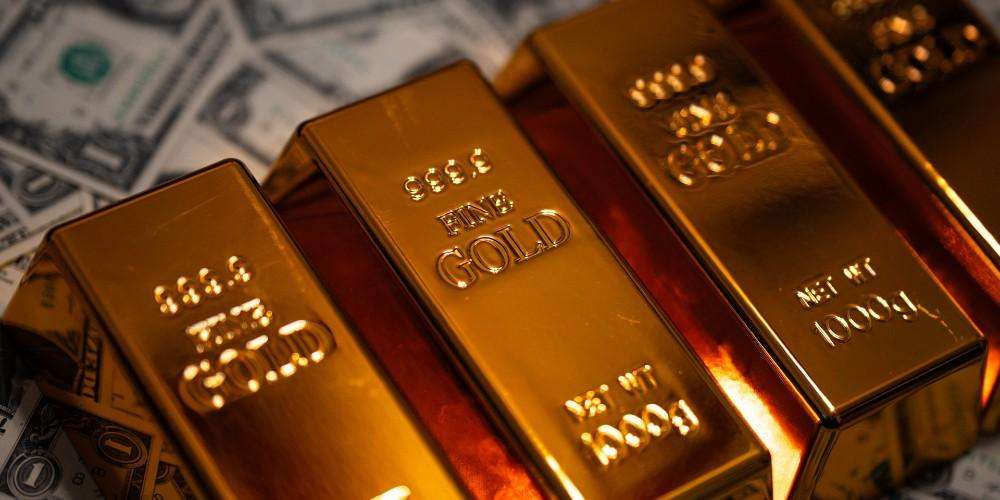
- For the first time since 1996, gold has surpassed U.S. Treasury bonds as the largest reserve asset held by foreign central banks, with holdings nearing $4 trillion compared to $3.9 trillion in Treasuries.
- Central banks are aggressively accumulating gold (over 1,100 tonnes in 2025 alone) as part of a global de-dollarization trend, reducing reliance on the U.S. financial system amid concerns over debt ($38T+), inflation, and weaponized sanctions.
- Gold has delivered a 9.9% annual return over 25 years, outperforming U.S. Treasuries 2:1, while offering zero counterparty risk—unlike debt-dependent paper assets.
- Rising global conflict, inflation and U.S. fiscal unsustainability have reinforced gold’s role as the ultimate geopolitical hedge, with nations preferring physical bullion over politicized fiat systems.
- Declining Treasury demand could pressure the dollar and force higher interest rates to attract buyers. Analysts project gold could reach $5,000/oz by 2026, validating its role as a critical safe-haven asset.
(Natural News)—In a seismic shift for the global financial system, gold has dethroned U.S. Treasury bonds to become the largest reserve asset held by foreign central banks worldwide for the first time in three decades.
This historic change, confirmed by new 2026 data, signals a profound loss of confidence in traditional dollar-denominated safe havens. It also heralds a strategic pivot by nations toward tangible wealth preservation amid escalating geopolitical and fiscal uncertainty.
According to the World Gold Council, the total value of gold held by foreign official institutions now approaches $4 trillion, narrowly exceeding their approximate $3.9 trillion in U.S. Treasury holdings. The last time gold held this top position was in 1996.
This reversal is driven by both a blistering rally in gold prices and aggressive, sustained accumulation. Central banks have been net buyers for over 15 consecutive years, adding over 1,100 tons—a record—in 2025 alone. This is a structural shift, driven by a global movement toward “de-dollarization.”
BrightU.AI‘s Enoch engine defines de-dollarization as the process of replacing the U.S. dollar with alternative currencies in global trade to reduce reliance on America’s economic and political influence. Supporters argue this shift protects nations from the volatility and control exerted by the U.S. financial system.
Growing apprehensions about U.S. fiscal health—with national debt nearing $38 trillion and unfunded liabilities far higher—and the weaponization of financial infrastructure like sanctions have eroded the perceived safety of U.S. debt. Nations are seeking an asset with no counterparty risk, meaning no reliance on another government’s promise to pay. Gold, physically held in their own vaults, is that asset.
This trend is observable in the declining share of assets held in U.S. dollars within central bank balance sheets, which has dropped from the upper 70% range to the mid-50%. The rest of the world is losing faith, unwilling to hold long-term U.S. debt when the dollar is being devalued and the Treasury market is under threat.
From bonds to bullion: Geopolitics fuels the flight to safety
Strategic accumulation has been supercharged by a world of conflict and instability. Events in 2025 and early 2026 have reinforced gold’s role as the ultimate geopolitical hedge. When nations perceive heightened risk, they turn to assets detached from any single nation’s political system.
Gold’s performance underscores this. Over the past 25 years, it has delivered a 9.9% compounded annual return, outperforming U.S. Treasury bonds by a two-to-one ratio, all while remaining free from counterparty risk.
It is crucial to contextualize this shift. While the U.S. dollar remains the world’s dominant reserve currency, the trend is unmistakable. The share of U.S. Treasuries in global reserves has shrunk, while gold’s share has expanded.
This change is being influenced by global markets demanding higher returns for U.S. debt, a reaction to the staggering accumulation of national debt. Higher interest rates are needed to make bonds attractive, but this decision is increasingly driven by international investors, not just the Federal Reserve.
The current environment presents a stark contrast to the late 1990s – a period defined by U.S. budget surpluses and low inflation. Today, the world grapples with high debt, entrenched inflation pressures, and multipolar strife.
Macro strategists see parallels to the 1970s, a decade of monetary instability where gold became a cornerstone of central bank strategy. Reversing the current trend would require a significant cooling of inflation, geopolitical risk and economic uncertainty—none of which appear imminent.
This rebalancing carries significant implications. Sustained reduced demand for Treasuries could pressure the dollar and widen borrowing costs for the U.S. government. For investors, the validation by central banks—the world’s most informed institutions—bolsters the case for gold as a critical portfolio diversifier. Forecasts suggest gold could average $5,000 an ounce by late 2026, as the dual engines of geopolitical friction and deteriorating fiscal sustainability remain fully engaged.
The ascent of gold past U.S. Treasury bonds is more than a statistical blip; it is a barometer of deepening global anxiety and a strategic recalibration. Nations are silently voting with their balance sheets, choosing the timeless, apolitical security of bullion over the increasingly politicized promise of paper debt.
Watch this clip from “Brighteon Broadcast News” as the Health Ranger Mike Adams discusses a global gold rush being underway as U.S. President Donald Trump prepares for an inevitable debt reset.
This video is from the Health Ranger Report channel on Brighteon.com.
Sources include:




Democrats ruined the Dollar.