

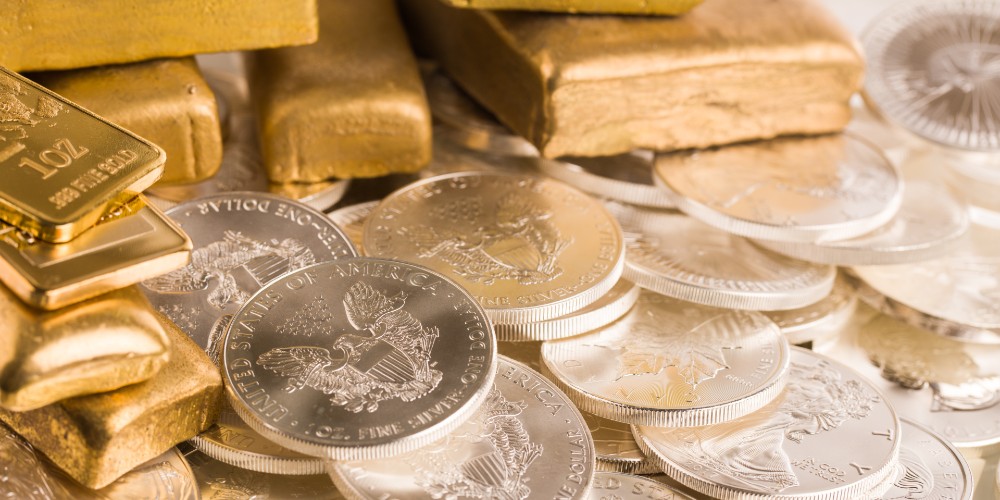
Americans watching their dollars lose punch overseas are turning back to what built real wealth for generations: gold and silver. On Tuesday, gold traded around $4,490 per ounce, with futures opening above $4,480 and spot prices pushing toward $4,500. Silver has charged even harder, breaking $70 an ounce and hitting highs above $71 in active trading.
This year’s gains stand out sharply. Gold sits up about 70% for 2025, on track for its best year since 1979. Silver has roughly doubled, with year-to-date jumps exceeding 140% in some measures.
Geopolitical fires keep burning. Escalating U.S. actions against Venezuela, including tanker seizures, mix with ongoing Russia-Ukraine clashes. These tensions drive investors to assets that hold value when paper currencies falter.
The dollar itself tells part of the story. It dropped 11% against other currencies in the first half of 2025 alone—the steepest fall in over 50 years. That shift comes as nations rethink heavy reliance on the U.S. dollar for reserves, especially with debates over Fed independence and broader policy changes.
Jim Wyckoff, senior analyst at Kitco Metals, put it plainly: “These price moves have made history.”
He also noted the classic pattern in commodities: “Raw commodity markets go through boom and bust cycles. We’re in a boom cycle for gold and silver.”
On the unrest driving prices: “That’s the catalyst that has pushed gold prices higher.”
Campbell Harvey, a Duke University professor tracking commodities, pointed to global shifts: “Many investors and institutions around the world are looking for an alternative defensive asset. Many of those investors realize they are significantly underinvested in gold.”
Central banks keep buying heavily, and ETF inflows stay strong. Rate cuts this year made bonds less appealing, pushing more money into precious metals. Silver gets an extra lift from industrial demand—solar panels, electric vehicles, data centers—all hungry for the metal amid tight supplies.
Wyckoff cautions timing remains tricky: “We’re probably in the 8th or 9th inning of this boom cycle in the gold and silver markets. Even if we’re in the 8th or 9th inning, a lot of runs could still be scored.”
And on short-term moves: “We don’t know where prices are going to go in the next few weeks or months.”
For everyday Americans, these surges signal something deeper. When the dollar weakens and uncertainty rises, hard assets like gold and silver prove their worth again. They offer a hedge independent of stock swings or government promises. In times when fiat money faces questions, owning real money—tangible, time-tested—protects purchasing power that Washington policies keep eroding.
This boom may cool eventually, but the fundamentals point to strength ahead. Savvy households building long-term security know stacking physical gold and silver beats watching savings shrink. As 2025 closes with these metals at peaks, the message rings clear: America thrives when its people hold assets no printing press can dilute.




In a normal society, tangible gold would be worth more than any invisible digital currency like bitcoin. But, society is far from normal