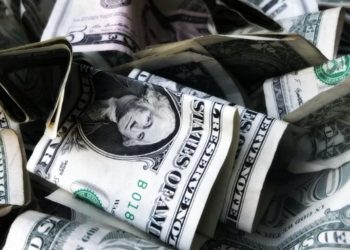



American investors have reason to cheer as the greenback stages a powerful comeback, drawing capital back to U.S. shores and pressuring economies abroad. Recent market shifts show the dollar pulling ahead in ways that favor domestic strength while sending ripples through international trades.
Traders are turning to a proven tactic that’s gaining traction again. “A simple strategy of borrowing in low-yielding currencies like the Japanese yen or the Swiss franc and putting your money in dollars looks set to beat the implied returns on markets such as European stocks and Chinese government bonds once the volatility of these assets is taken into account,” according to Bloomberg calculations.
This approach, known as the dollar carry trade, capitalizes on interest rate differences and positions the U.S. currency as a safe bet amid global uncertainties. What makes this more appealing to many over the world’s “booming” stock markets is that it’s pure math; the need to predict stock market ups and downs is mitigated when the calculus is relegated to pure arithmetic.
The dollar’s resurgence comes despite earlier skepticism. “The dollar is regaining its crown as one of the world’s most appealing assets, defying talk of a ‘Sell America’ trade that had raised troubling questions about the outlook for the global reserve currency.” Such doubts overlooked the inherent resilience of America’s economic foundation, built on innovation and robust fiscal policies that continue to attract foreign funds.
A key factor boosting this trend is reduced market turbulence. “The appeal of dollar carry has been helped by a sharp drop in the greenback’s volatility, in part because a prolonged government shutdown dampened price swings in the US$9.6 trillion-a-day global foreign exchange market.” With fewer wild fluctuations, investors find the dollar a reliable anchor, especially when compared to the ups and downs in overseas equities and debt.
For foreign markets, this dollar strength spells trouble. Emerging economies and export-heavy nations face higher borrowing costs and weaker currencies, which can slow growth and inflate import prices. European and Asian stocks, already dealing with their own headwinds, now contend with a dominant dollar that makes U.S. assets more attractive by comparison. “The implications of the dollar’s renewed appeal for investors cannot be overstated for global markets.”
This dynamic reinforces why prioritizing American economic policies pays off. By fostering conditions that bolster the dollar, the U.S. maintains its edge in global finance, ensuring that capital flows where it can thrive most—right here at home. As foreign markets adjust to this pressure, savvy investors should watch how these trades evolve, potentially opening doors for even greater U.S. gains.