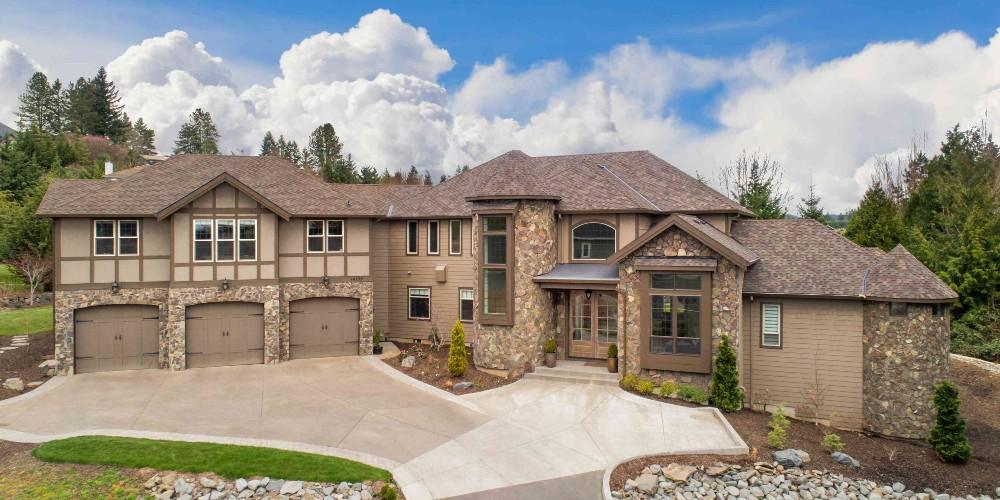
The American Dream of homeownership has long been synonymous with spacious living, but a seismic shift is underway. Oversized McMansions, those sprawling symbols of prosperity from the early 2000s housing boom, are increasingly viewed as financial burdens rather than assets.
As insurance premiums skyrocket, property taxes climb, and buyer preferences pivot toward efficiency and resilience, these once-desirable estates are languishing on the market, forcing sellers to confront a harsh reality: what was built to impress is now costing them dearly.
This transformation didn’t happen overnight. Two decades ago, when the housing market was flush with easy credit and optimism, developers churned out massive homes—often exceeding 5,000 square feet—with grand entrances, multiple unused rooms, and finishes like granite countertops and mahogany cabinetry. They sold the idea that bigger meant better, a status marker for upwardly mobile families.
But as these homes age into their third decade, their flaws are exposed. Poor energy efficiency, outdated construction standards, and a lack of modern features make them expensive to maintain and insure, especially in regions prone to extreme weather.
Take Texas, for example, where rising property taxes and insurance costs have turned inefficient large homes into outright liabilities. Harrison Polsky, principal at Catena Homes, explains the dilemma: “With rising insurance costs in Texas and higher property taxes, a 5,000-plus-square-foot home that isn’t energy efficient or thoughtfully designed can absolutely feel like a liability. But a well-built, high-performance home of that size with strong insulation, efficient systems and functional layout still represents the American Dream here.”
Polsky’s insight highlights a key distinction: it’s not size alone that’s the problem, but “wasted scale”—space without purpose that drains resources without delivering value.
In Florida, the story is even starker. Soaring insurance rates, driven by frequent hurricanes and regulatory changes, have made older estates particularly vulnerable. Robert Burrage, founder of RWB Construction Management in Palm Beach County, notes: “A 6,000 or 7,000-square-foot home built in 2006 without impact glass, elevated construction, modern roofing and generator systems can absolutely feel like financial exposure. Buyers are willing to pay for size, but only if it’s engineered for resilience.”
Without these upgrades, such homes narrow their appeal, sitting unsold while carrying high carrying costs for owners.
Data from Zillow underscores this trend. In a report marking the company’s 20th anniversary, listings show a 70% increase in mentions of zero-energy-ready homes, a 40% rise in whole-home batteries, and a 25% uptick in features like pickleball courts and golf simulators. Meanwhile, the sterile, beige-heavy designs of mid-2000s McMansions are being rejected in favor of personalized, sustainable spaces. New constructions are smaller overall, with median square footage dropping from 2,500 in 2015 to around 2,210 today, as builders respond to affordability pressures and changing tastes.
Buyers, particularly millennials and Gen Xers now dominating the market, are educated and pragmatic. They’re ditching excess for homes that integrate seamlessly with daily life—think smart systems, outdoor living areas, and energy-efficient designs that lower long-term costs.
Polsky observes: “Today’s buyers are far more educated about operating costs and long-term durability. In this market, lifestyle infrastructure and sustainability are no longer bonuses. They’re baseline expectations.”
This shift reflects a broader cultural reevaluation, where value is measured by functionality and longevity rather than sheer volume.
For baby boomers looking to downsize or sell their 2006-era estates, the message is clear: adaptation is essential. Burrage advises: “Boomers selling older estates should strongly consider modernizing systems and aesthetics. Buyers are comparing them to newly built coastal homes engineered for climate durability and lower operating risk.”
Without investments in updates like hurricane-rated windows or efficient HVAC, these properties risk becoming “ghost neighborhoods,” as some reports have described vacant McMansion subdivisions where resale values stagnate amid mounting debts.
Yet amid the challenges, there’s an opportunity to reclaim a more grounded version of the American Dream. Homes that prioritize resilience and intentional design aren’t just surviving the market—they’re thriving. As affordability hurdles persist, with 40% of millennials eyeing purchases in 2026 despite high prices and interest rates, the focus on practical luxury could foster stronger communities and wiser financial decisions. The era of mindless expansion may be over, but in its place emerges a housing landscape that rewards foresight and stewardship.