According to Iran, it’s Americans who are going to suffer the most if a peace deal is not reached soon, not Iranians.
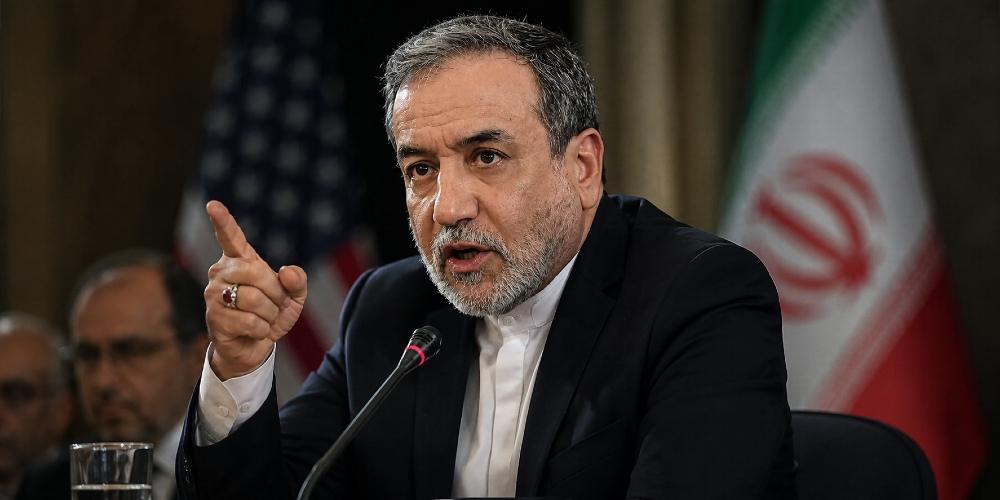
In the midst of a grinding conflict it helped provoke through decades of nuclear defiance, terrorism sponsorship, and regional aggression, Iran’s foreign minister now lectures Americans about economic pain. Abbas Araghchi’s recent social media post frames the United States as the reckless party in a “war of choice,” predicting rising debt costs, mortgage rates, and auto loan delinquencies will soon bite ordinary citizens. This rhetorical pivot reveals far more about Tehran’s mounting desperation than any genuine leverage over Washington.
Araghchi’s message, delivered in English to appeal directly to the American public, dismisses higher gas prices and market volatility as mere precursors to deeper hardship. Yet the timing tells the real story. With U.S. naval forces enforcing a blockade on Iranian ports and the Strait of Hormuz, Tehran faces fuel shortages, black markets for gasoline, and collapsing oil revenues.
The regime’s internal narrative has shifted from boasts of resilience to open acknowledgments of structural deficits and damaged energy infrastructure.
This is classic regime propaganda: project strength outward while the home front crumbles. Araghchi’s appeals ignore the origins of the current escalation—the February 2026 U.S.-Israeli operation targeting Iran’s nuclear program and leadership after years of ignored warnings and broken agreements. Far from an unprovoked “choice,” America’s response reflects the overdue enforcement of red lines against a theocratic dictatorship that has exported chaos from Lebanon to Yemen.
The Blockade’s Bite: Reality vs. Rhetoric
Reports from inside Iran paint a picture of hardship far removed from Araghchi’s finger-pointing. Drivers face arbitrary limits on subsidized fuel cards, with some reporting sudden quota disappearances and inflated black market costs. State media and officials now admit gasoline deficits and the need for consumption controls, a direct result of strikes on energy facilities and the maritime chokehold.
Meanwhile, U.S. officials highlight the blockade’s success in suffocating regime revenue streams. Iranian oil exports have dropped sharply, tankers sit idle, and daily economic losses mount into the hundreds of millions. Treasury and defense leaders describe the strategy as “economic fury” designed to force compliance without endless ground commitments. This approach leverages America’s maritime dominance where precision strikes alone proved insufficient to break the regime’s will.
Critics of robust American action often warned that confronting Iran would spike global energy prices and harm U.S. consumers. Those effects are real but temporary, and they pale against the alternative: a nuclear-armed Iran emboldened to dominate the Middle East, threaten Israel with annihilation, and fund global terrorism unchecked. Higher gas prices today buy strategic leverage that could prevent far costlier conflicts tomorrow.
Lessons in Resolve and the Cost of Weakness
The Islamic Republic’s playbook remains unchanged: threaten economic Armageddon abroad while its people endure repression and scarcity at home. Decades of sanctions relief, diplomatic carrots, and restrained responses under previous administrations only accelerated Iran’s march toward nuclear capability and proxy warfare. The current pressure campaign tests whether sustained resolve can succeed where accommodation failed.
History and prudence demand skepticism toward Tehran’s sob stories. The regime has long prioritized ballistic missiles, enrichment centrifuges, and Hezbollah paychecks over its citizens’ welfare. Fuel rationing and blackouts stem as much from mismanagement and corruption as from external forces. Appeals to American pocketbooks serve as a bid for domestic sympathy and international division, hoping to erode support for policies that finally hold the mullahs accountable.
As the standoff continues, with talks faltering and both sides assessing endurance, one truth emerges clearly: peace through strength requires accepting short-term discomfort to secure long-term security. Pretending otherwise invites the very escalation Iran now claims to lament.
Forward momentum against evil regimes has always required crossing difficult waters. America’s current course, though imperfect, rejects the failed path of retreat and wishful thinking. The Iranian theocracy’s warnings may sting in the wallet, but surrender would cost far more—in treasure, security, and moral clarity.