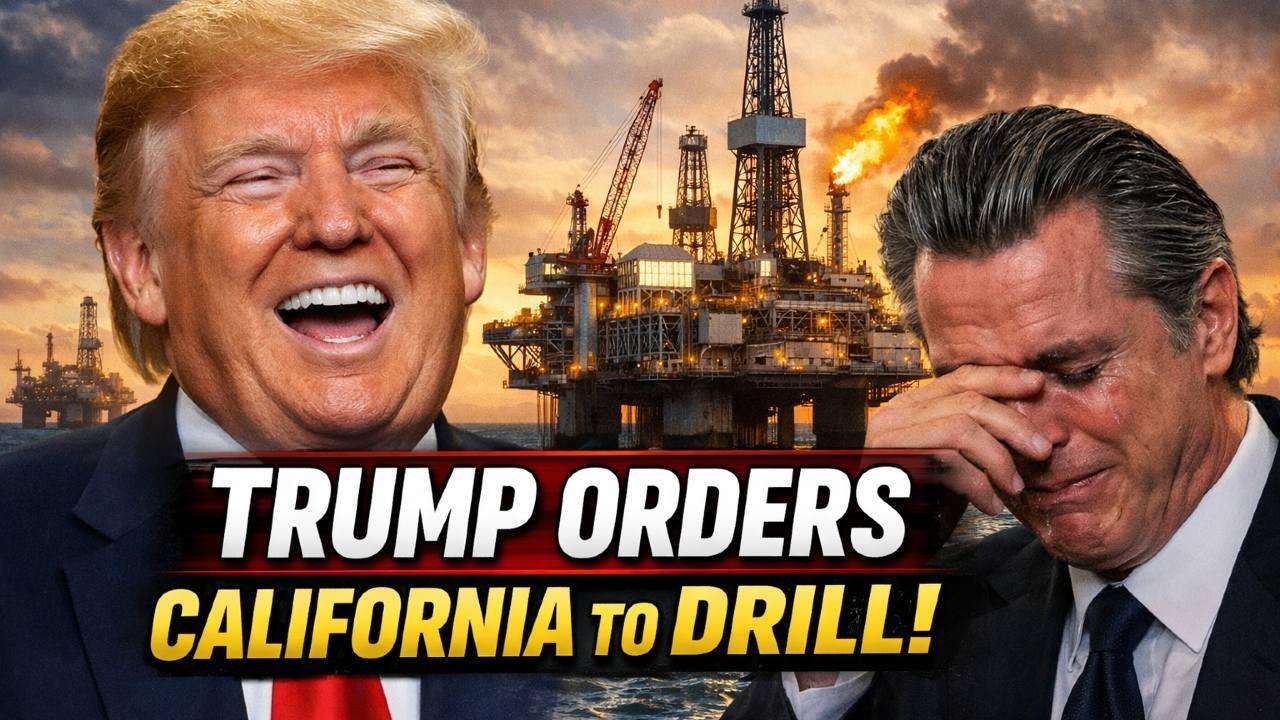
President Donald Trump has taken a bold step in his ongoing push for American energy dominance by signing an executive order to resume oil drilling operations off the southern California coast. This move directly targets the Santa Ynez unit and associated pipeline infrastructure, which have faced significant state-level restrictions since a major oil spill led to shutdowns in 2015.
By invoking federal authority under the Defense Production Act, the administration is overriding California regulations that have blocked repairs and production restarts, signaling a clear prioritization of national energy security over state environmental objections.
This will be popular with consumers even as California politicians balk.
The decision comes amid soaring gas prices, exacerbated by geopolitical tensions including the ongoing war involving Iran, which has pushed oil prices to $103 per barrel and forced temporary adjustments like easing sanctions on Russian oil. Energy Secretary Chris Wright emphasized the administration’s commitment, stating that the Trump team remains dedicated to putting Americans and their energy security first, while criticizing some state leaders for policies that could harm residents and national interests.
- The executive order directs the Secretary of Energy to facilitate resumption at Sable Offshore’s facilities, potentially unlocking up to 50,000 barrels of daily production.
- It addresses vulnerabilities where California and U.S. military forces rely heavily on foreign oil due to local restrictions.
- The action follows a Justice Department opinion affirming presidential power to preempt state laws impeding critical energy resources.
- California officials, including the attorney general, have already filed lawsuits challenging federal overreach on pipelines and production permits.
- Environmental groups and coastal communities view the order as highly controversial, reviving memories of past spills that devastated marine ecosystems.
This latest directive fits into President Trump’s broader “drill, baby, drill” agenda, which has included reversing prior bans on offshore leasing, proposing new sales along the California coast as early as 2027, and launching expansive programs to boost domestic fossil fuel output. Earlier steps, such as inviting industry nominations for lease areas in Southern and Central California and preparing environmental impact statements, laid the groundwork for this more immediate intervention focused on existing infrastructure.
Critics in California, including Governor Newsom and West Coast allies, have long opposed such expansions, arguing they threaten iconic coastlines, marine life, and the state’s climate goals. The federal push overrides these concerns by framing oil production as essential for reducing dependence on imports and potentially easing the burden of high fuel costs on everyday Americans. Supporters see it as a pragmatic response to real-world supply disruptions and economic pressures.
As legal battles loom—California has already sued over related federal assertions—the order underscores the deepening divide between federal energy priorities and state-level environmental protections. Whether this leads to actual resumed pumping in the near term depends on court outcomes and operational hurdles, but it marks a decisive escalation in the fight over who controls America’s coastal energy resources.
In the end, Trump’s action reinforces his promise to unleash American energy abundance, even in blue strongholds like California. While it risks reigniting fierce opposition from environmentalists and local leaders, the administration bets that lower gas prices and enhanced national security will win broader support in a time of global uncertainty. The coming months will reveal whether this offshore revival becomes a lasting win for domestic production or sparks prolonged conflict along the Pacific shore.