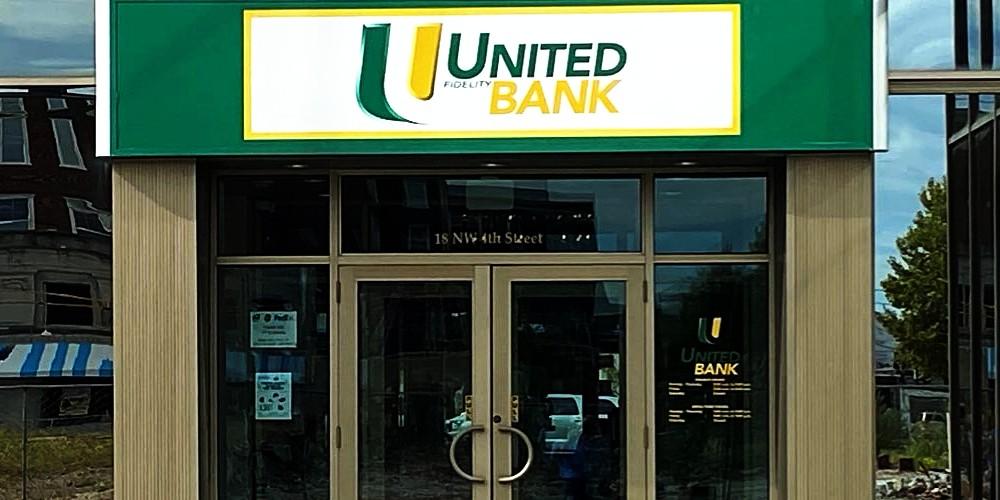
Federal regulators shut the doors on United Fidelity Bank late Friday night, the biggest U.S. bank failure in more than two years. The Evansville, Indiana thrift held roughly $5.9 billion in assets as of September 30. The Office of the Comptroller of the Currency found it in an unsafe or unsound condition and likely unable to meet its obligations. The FDIC stepped in as receiver and arranged an immediate handoff to First-Citizens Bank & Trust.
Customers lost nothing. Substantially all deposits transferred. Checks still clear. Debit cards still work. The 22 branches across Indiana, Illinois, Florida, Colorado, and the U.S. Virgin Islands (operating under the Bank of St. Croix name) reopen as First Citizens locations this weekend or Monday.
The Deposit Insurance Fund takes an estimated $1.83 billion hit—about 31 percent of the bank’s assets, an ugly loss ratio that tells you how deep the trouble ran.
The timing was awkward for the White House. President Trump had just spent Thanksgiving on Truth Social declaring the economy under his administration “doing FAR BETTER than the good numbers already released.” Daily Mail and others rushed to pair the two events.
One regional thrift failure does not erase payroll gains or third-quarter growth. It also does not magically become a systemic crisis simply because it arrived on a news cycle that wanted a counter-narrative.
Management, Growth, and Old Warnings
United Fidelity was not a mystery. The OCC had been concerned about the pace of its growth since at least 2023, when it issued an enforcement action covering capital planning, risk management, and contingency funding. The bank specialized in affordable-housing finance through its ties to the Pedcor group and had expanded by acquiring other institutions. Rapid growth that worried supervisors for years finally produced a bank that could not stand on its own.
First Citizens, which also bought the remains of Silicon Valley Bank in 2023, said its bid included roughly a $2.6 billion asset discount and no deposit premium. Chairman Frank B. Holding Jr. called the deal “both financially and strategically compelling.” That is the language of a buyer that expects to make money on the assets it is actually taking. The holding company and its shareholders are wiped out, as usual. Depositors are not.
We believe this transaction is both financially and strategically compelling, and we look forward to welcoming our new customers, earning their trust and positioning our company for continued success.
This is the seventh bank failure of 2026. It is the largest since Republic Bank went down in April 2024 with about $6 billion in assets. The resolution process worked exactly as designed. No runs, no weekend panic, no special facilities. Compare that with the March 2023 cascade under the previous administration, when multiple large institutions failed in rapid succession and the political blame game ran for months.
Stewardship Still Matters
Banks fail for the same reason any enterprise fails. Leadership misjudges risk, grows faster than controls, or places too many bets on a single sector.
Scripture is blunt about the point. “He that loveth silver shall not be satisfied with silver; nor he that loveth abundance with increase: this is also vanity.”
Growth that outruns prudence eventually extracts a price. The FDIC will collect that price from the industry through higher assessments. Shareholders already paid it.
Media outlets that spent 2023 blaming every tremor on the prior administration will spend this weekend blaming this one on the current one. The numbers do not require that story. A thrift that had been under supervisory pressure for years finally hit the wall. Depositors are protected. The economy continues.
The real question is whether the next set of lenders remembers why regulators were already worried in 2023.