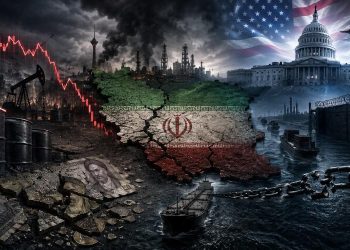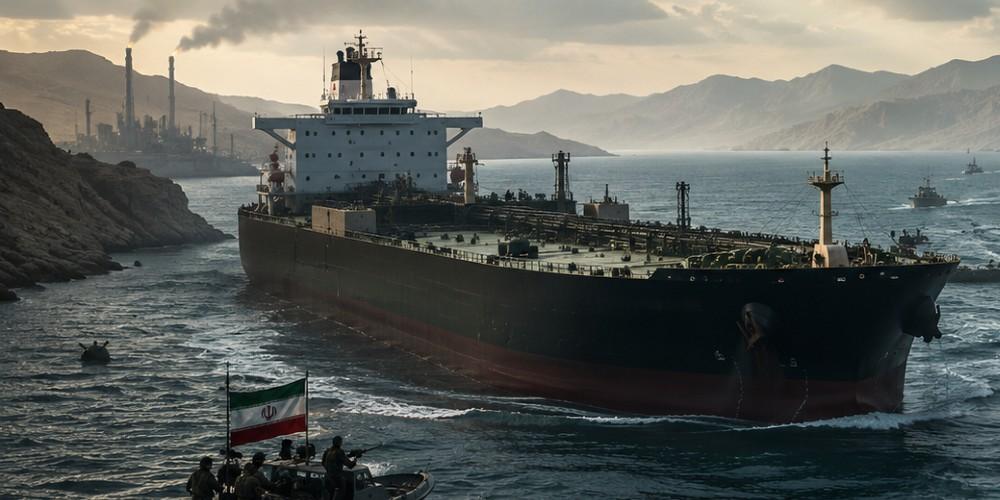
As fragile negotiations unfold to stabilize the region following conflict with Iran, Tehran has unveiled a scheme that reveals its true intentions. Far from seeking peaceful commerce, the Islamic Republic is attempting to impose a unilateral “insurance” mandate on vessels transiting the Strait of Hormuz, effectively establishing a toll booth on one of the world’s most vital energy arteries.
This is not mere bureaucratic overreach. It is a calculated economic assault designed to extract concessions from the West while maintaining leverage even amid a temporary truce. By creating the Persian Gulf Strait Authority (PGSA), Iran seeks to force commercial shipping to register with its agency and purchase Iranian-approved insurance, all while the regime’s mines continue to litter international waters.
The Strait of Hormuz, at its narrowest just 21 miles wide, carries roughly one-fifth of global oil consumption—more than 20 million barrels per day—along with a significant share of liquefied natural gas. Major producers including Saudi Arabia, the UAE, Kuwait, Iraq, and Qatar depend on this chokepoint. Any disruption here sends immediate ripples through energy markets, inflating prices and threatening economic stability worldwide.
A Sanctions Trap Disguised as Maritime Safety
Under the guise of a 60-day truce, Iran has declared traditional shipping channels prohibited unless vessels comply with its new rules. The PGSA’s mandate includes Iranian insurance, which Tehran is currently dangling as “free” but explicitly reserves the right to charge steep premiums later.
Western insurance underwriters, including giants at Lloyd’s of London, have rightly rejected this framework as unworkable and a clear sanctions trap.
Compliance would expose companies to U.S. Office of Foreign Assets Control (OFAC) penalties and entangle them in Iran’s unreliable legal system. As industry insiders have noted, no legitimate international shipping firm will subject itself to jurisdiction where the regime that has harassed and seized vessels holds the upper hand. Instead, shippers are opting for the narrower, U.S.-protected route along Oman’s coast, where traffic continues despite bottlenecks.
“No country can unilaterally assert its jurisdiction over international waters. That has to be respected. If it isn’t, you will not get transit back to pre-war levels.”
This Iranian maneuver exploits the post-conflict environment to formalize control. While Chinese vessels aligned with Tehran reportedly sail toll-free through Iranian channels, the broader global fleet is boycotting the regime’s demands. The result is a de facto paralysis in the wider international lanes, compounded by lingering mines that demand urgent clearance.
The High Stakes for Global Energy and Western Resolve
Lloyd’s of London has responded with a substantial new insurance consortium backed by American underwriters like Chubb, providing significant coverage for hull, liability, and cargo through the safer Omani channel. Yet industry leaders emphasize that true recovery requires full mine clearance and the dismantling of Iran’s unilateral mandates. Without these, pre-war traffic levels—over 130 ships daily—remain unattainable.
The economic weaponization of the strait aligns with Iran’s long-standing strategy of asymmetric disruption. Tehran has historically threatened selective interference to project power without full-scale confrontation. This latest racket underscores the regime’s contempt for international norms and its willingness to hold global commerce hostage.
For the United States and its allies, the message is clear: Strength and vigilance, not accommodation, are required. Allowing Iran to formalize this extortion would reward aggression and invite further provocations across critical maritime domains. The Trump administration’s focus on restoring full maritime trade sets a necessary benchmark, one that must include robust demining and rejection of Iranian overreach.
History and strategic reality demonstrate that appeasement of such regimes only emboldens them. The free flow of energy is too vital to global prosperity—and to American interests—to be subordinated to Tehran’s schemes.
In confronting this insurance racket and the broader threats from Iran, America must stand firm on principles of justice, security, and unhindered commerce. The world’s energy lifelines cannot become tools for tyranny. Clear international waters, rejected extortion, and decisive leadership remain the path forward.