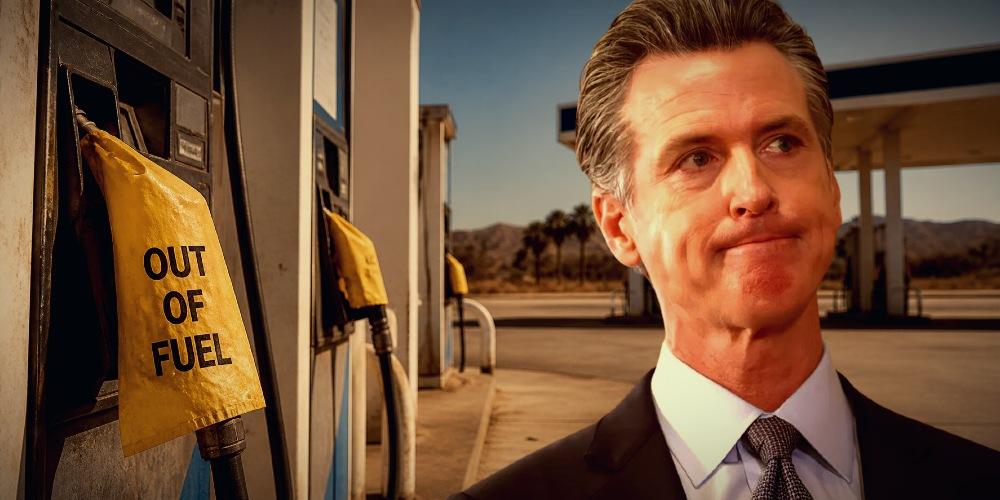
The arrival of the final tanker carrying Persian Gulf crude at Long Beach marks more than the end of a voyage. It exposes the fragility of California’s energy policy, built on aggressive decarbonization mandates, refinery closures, and hostility to domestic production. As geopolitical conflict disrupts global supply lines, the Golden State—long an “energy island” without interstate pipelines—now confronts the consequences of deliberate dependence on foreign oil.
This moment was predictable. California imports roughly 30 percent of its crude from the Middle East, with significant volumes from Iraq and Saudi Arabia transiting the Strait of Hormuz. The recent U.S.-Israel conflict with Iran triggered blockades and disruptions that halted new shipments.
The Hong Kong-flagged New Corolla, loaded in Iraq before the escalation, delivered its two million barrels, but the pipeline of daily imports—around 200,000 barrels—has now run dry.
California’s vulnerability stems not from bad luck but from choices. Decades of regulations, emissions standards, and permit restrictions have driven production decline since the 1980s. Refineries have shuttered amid the push for electric vehicles and carbon neutrality. Governor Gavin Newsom’s administration has celebrated the transition while the state increasingly imports refined fuels from Asia—itself strained by Middle East disruptions.
Bipartisan lawmakers recently demanded action, highlighting overdue reports and the absence of contingency plans. One Democratic assemblymember insisted on an emergency strategy. Yet the California Energy Commission offers assurances of six weeks’ stability and confidence in market adaptation. History suggests such optimism often masks deeper structural failures.
Oil analysts note prices will surge first as refiners compete for scarcer barrels from Ecuador, Brazil, or Canada. Short-haul options exist, but quality mismatches and global tightness—exacerbated by nations hoarding supplies—limit relief. California’s special gasoline blend and regulatory burden already inflate costs; this shock will compound them.
The irony runs thick. A state that lectures the world on climate virtue now scrambles for heavy crude from abroad, much of it produced under looser standards than domestic operations would face. While pursuing an all-electric future, officials quietly rely on foreign fossil fuels to keep cars running and planes flying today. This is not prudent stewardship; it is policy-induced dependence that weakens both affordability and security.
National implications loom. California’s refineries support military installations and Pacific operations. Eroding domestic capacity threatens readiness, as Energy Secretary Chris Wright and others have warned. Outsourcing energy invites precisely the volatility now on display.
California’s leaders face a choice: double down on ideology or restore balance through expanded in-state production, permitting reform, and realistic timelines. The Bible reminds us in James 4:17 (KJV): “Therefore to him that knoweth to do good, and doeth it not, to him it is sin.” Knowledge of energy realities demands responsible action, not virtue-signaling that burdens citizens and endangers resilience.
The last barrel has arrived. Whether Californians endure prolonged pain or leaders course-correct will define the state’s energy future—and test the wisdom of placing utopian timelines above practical provision for the people.