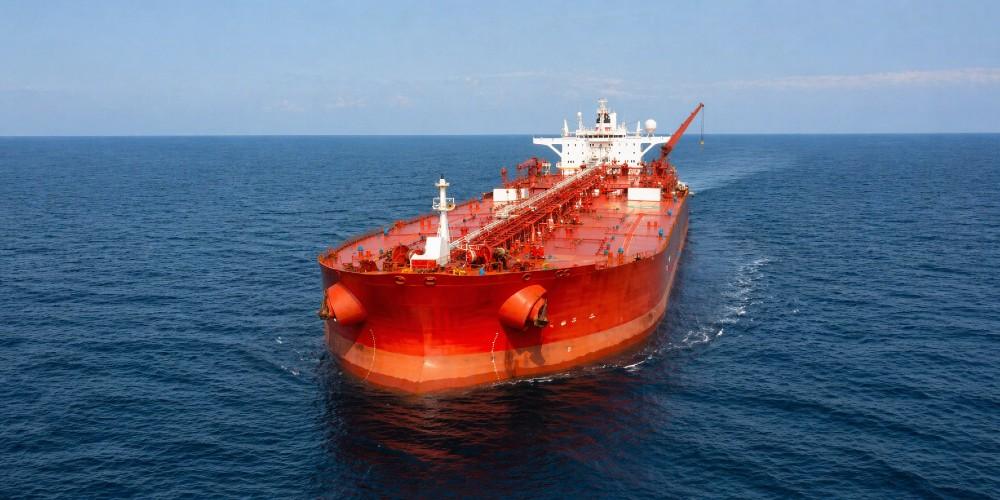
The United States military boarded and seized the tanker Tifani in international waters near Sri Lanka on Tuesday, enforcing its naval blockade against vessels providing material support to the Iranian regime. The action comes as a two-week ceasefire—imposed after U.S. and Israeli strikes began on February 28—approaches its expiration, with high-stakes talks in Pakistan hanging in the balance.
This latest interdiction underscores a clear message from the Trump administration: America will not tolerate sanctions evasion or efforts to sustain the mullahs’ war machine while demanding concessions at the negotiating table. The Tifani, a stateless vessel previously sanctioned for facilitating Iranian oil transfers, was nearly fully loaded with up to two million barrels of crude and bound for Singapore. U.S. Central Command stated the boarding occurred without incident as part of broader efforts to disrupt illicit networks.
The timing could hardly be more pointed. With hours left before the truce potentially lapses, Tehran claims the American blockade itself constitutes a violation, refusing talks under duress. Yet the regime’s own stranglehold on the Strait of Hormuz has already disrupted global energy flows, driving up prices and threatening economic stability far beyond the Middle East. One wonders how many times the international community must witness this pattern: Iran creates the crisis through aggression and evasion, then cries foul when America responds with measured force.
President Trump has made no secret of his position. He warned of renewed strikes targeting Iranian infrastructure if Tehran rejects fair terms, while expressing hope for a genuine deal. Iranian negotiators, including top figures like Mohammad Baqer Qalibaf, accuse Washington of turning diplomacy into “submission.”
A senior Iranian commander vowed an “immediate and decisive response” to any further hostility. Such rhetoric echoes decades of the regime’s playbook—provocation followed by demands for appeasement.
This is not mere maritime policing. The blockade targets the lifeblood of a regime that has spent years funding terrorism, pursuing nuclear capability under the guise of peaceful energy, and destabilizing the region. By interdicting vessels like the Tifani, the U.S. disrupts the flow of funds that sustain Hezbollah, Hamas, and other proxies. History shows that weakness invites escalation; strength compels negotiation.
Iran’s control over the Strait has deprived the world of vital oil supplies, a self-inflicted wound that harms ordinary Iranians and global consumers alike. The regime’s reversal on reopening the waterway after Trump refused to lift the port blockade reveals its true priorities: leverage over peace. Meanwhile, Pakistan prepares for talks amid heavy security, with delegations possibly arriving too late to avert the deadline.
The broader conflict traces back to the devastating strikes launched in late February, which inflicted significant damage on Iranian military targets and prompted parallel actions in Lebanon. Thousands have died, and the economic shockwaves continue to ripple. Yet the root issue remains unchanged since the Islamic Revolution: a theocratic regime that views America and its allies as existential enemies while exporting revolution.
As negotiations teeter, the contrast stands stark. The United States acts to protect freedom of navigation and enforce legitimate sanctions in international waters. Iran responds with threats, accusations of piracy, and insistence on retaining enrichment capabilities that could rapidly advance toward weapons-grade material. A fair deal must dismantle that threat, not legitimize it.
In the end, the seizure of the Tifani serves as a reminder that resolve, not retreat, defines effective statecraft. The coming hours will test whether Tehran chooses survival through compromise or doubles down on defiance, risking wider conflict. For those who value peace through strength, the path remains clear: enforce the rules, protect vital interests, and refuse to reward aggression.
The events unfolding in the Indian Ocean and the waters off Iran carry echoes far beyond geopolitics. They test whether the free world retains the moral clarity and fortitude to confront tyranny before it metastasizes further. America’s actions today may well determine the security of tomorrow.